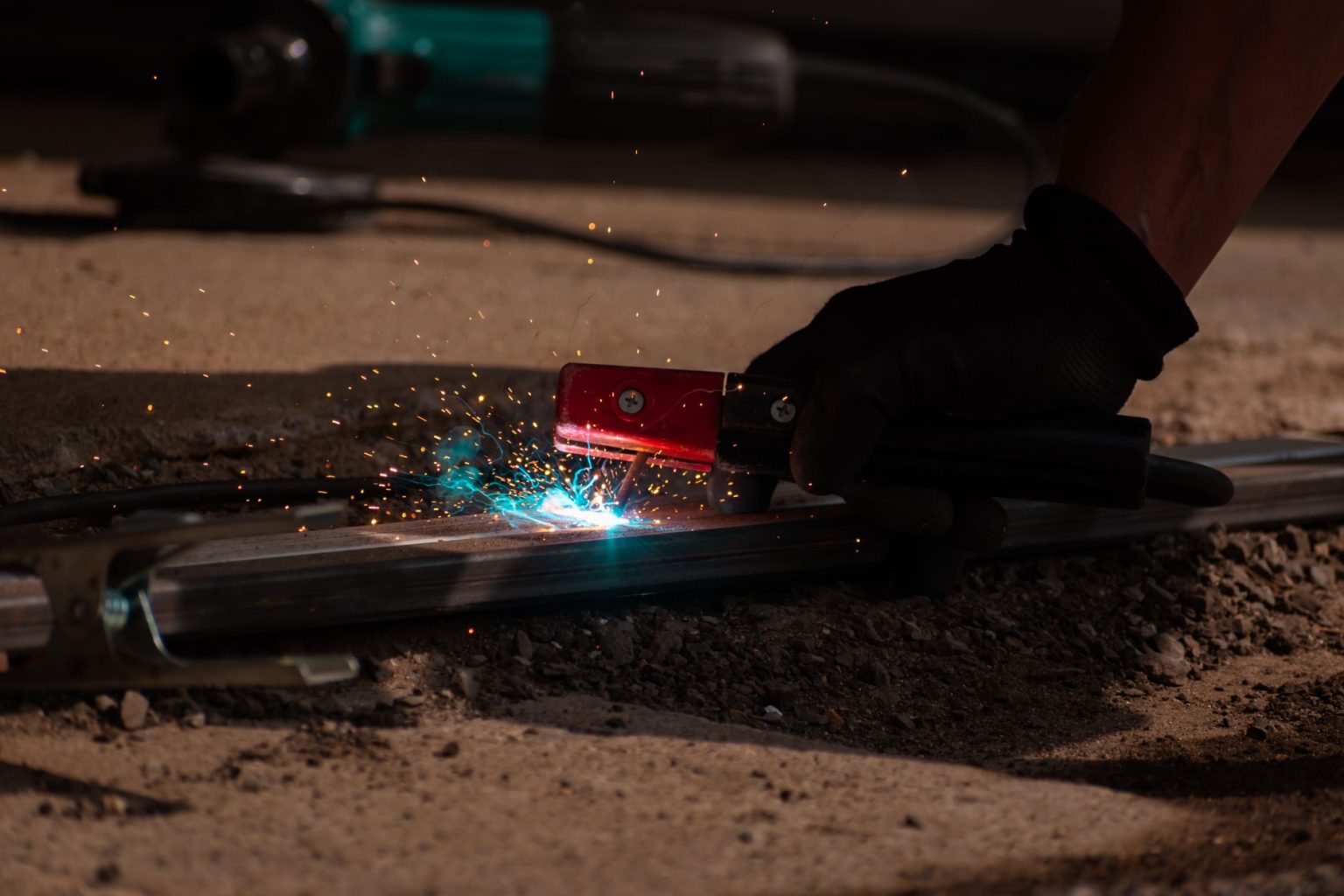
Aluminum and steel weld differently because of their melting points, oxide layers, and heat conductivity, and each metal suits different jobs. Aluminum favors lightweight, corrosion-resistant work like railings, trailers, and marine hardware, while steel favors heavy structural work like fences, gates, and framing. New Orleans's humid, coastal climate makes that choice matter even more, since one metal resists rust naturally and the other needs protective coating to last outdoors.
At Big Easy Mobile Welders, we get asked constantly whether a project calls for aluminum or steel. The honest answer depends on the job, the environment, and how the finished piece needs to perform over time.
This guide breaks down the real technical differences between the two metals and the welding processes each one demands. You will walk away knowing which metal fits your specific project.
We will also cover how New Orleans's humidity and coastal air factor into the decision. Contact us today to talk through your project before you commit to a metal.
What Sets Aluminum and Steel Apart Before You Ever Strike an Arc
Aluminum and steel behave like entirely different materials under heat, and that difference shapes every decision a welder makes. Understanding these three properties explains why aluminum welding looks so different from steel welding in practice.
Melting Point and Heat Behavior
Steel melts at roughly 2,500°F, while aluminum melts at a much lower 1,220°F. That gap means aluminum reaches a molten state fast and can warp or blow through if the welder does not manage heat input carefully. Steel tolerates more heat before it becomes unstable, which gives welders a wider margin for error during the pass.
The Aluminum Oxide Layer
Aluminum forms a hard oxide layer the instant it touches air, and that layer melts at over 3,600°F, far above the 1,220°F melting point of the aluminum underneath it. If a welder does not break through this layer, the weld traps contamination and comes out weak. Steel does not form this kind of oxide barrier, so it welds more predictably without the extra cleaning step.
Thermal Conductivity Differences
Aluminum conducts heat roughly five times faster than steel, so it pulls heat away from the weld pool almost as fast as the torch adds it. That rapid heat dissipation means aluminum needs higher, faster heat input to form a solid weld. Steel's slower conductivity keeps heat concentrated where the welder wants it, making the pass easier to control from start to finish.
How Welders Approach Each Metal Differently
The physical differences above dictate which welding process, current type, and consumables a job requires. Getting these choices right is what separates a clean weld from a cracked or porous one.
TIG Welding Aluminum with AC Current
TIG welding is a common choice for aluminum, especially on thinner material where a clean finish matters. Welders run AC current for aluminum because it cycles between polarities and breaks up the oxide layer as it goes, something straight DC current cannot do on this metal.
Steel TIG work typically runs on straight DC current instead, since steel never forms that oxide barrier and does not need the cleaning action AC provides. That single setting change is one of the clearest process differences in the aluminum vs steel welding comparison, and it is why a welder keeps separate machine settings dialed in for each metal.
MIG Welding for Aluminum and Steel
MIG welding works for both metals, but aluminum needs a spool gun or push-pull feed system because its soft wire tangles in a standard feeder. Steel runs through a standard MIG setup without those adjustments, which is part of why steel welding moves faster on high-volume jobs.
Filler Metal and Shielding Gas Choices
Filler metal always matches the base metal: aluminum wire for aluminum, solid steel wire for mild steel, since mismatching the two produces a brittle, unreliable joint. Pure argon is the standard shielding gas for aluminum up to about a quarter-inch thick, while mild steel typically runs on an argon and carbon dioxide blend for a stable arc with less spatter.
Comparing Aluminum and Steel Side by Side
Seeing the two metals lined up side by side makes the tradeoffs easier to weigh for your specific project. Use this table as a quick reference before you call to discuss the details.
| Property | Aluminum | Steel |
|---|---|---|
| Melting Point | ~1,220°F | ~2,500°F |
| Thermal Conductivity | ~5x faster than steel | Slower, easier to control |
| Typical Shielding Gas | Pure argon | Argon/CO2 blend |
| Common Filler Metal | Aluminum wire | Solid steel wire |
| Relative Weight | About 1/3 the density of steel | Denser, heavier per piece |
| Corrosion Resistance in Humid or Coastal Air | Self-renewing oxide layer resists rust | Needs coating or galvanizing to resist rust |
Choosing the Right Metal for Your New Orleans Project
Once you understand how each metal behaves, the choice usually comes down to what the finished piece needs to do and where it will live. These four categories cover most of the mobile welding calls we get.
Marine Hardware and Boat Parts
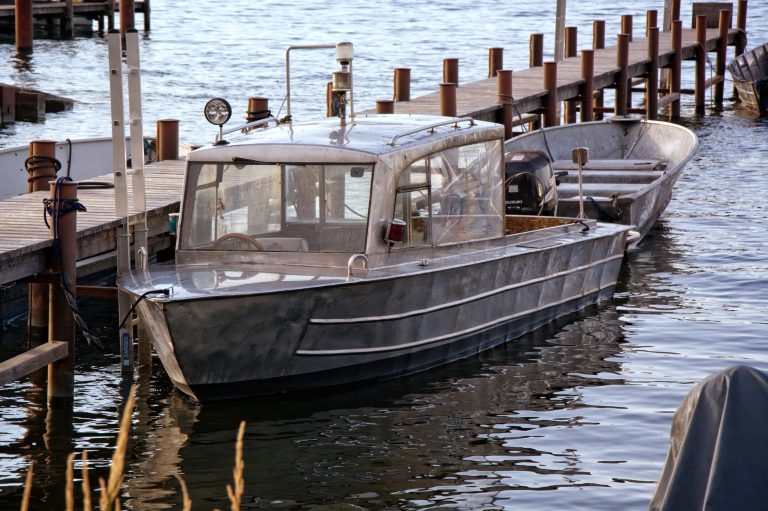
Aluminum's light weight and natural corrosion resistance make it the standard choice for marine hardware and boat parts along our waterways. The oxide layer that makes aluminum trickier to weld is the same property that keeps it from rusting in wet, salty air. That combination is why boat lifts, dock ladders, and hand railings around our waterways are so often built in aluminum rather than steel, since a steel version would need regular coating upkeep to survive the same exposure.
Trailers and Lightweight Frames
Trailers and other towed frames benefit from aluminum's lower weight because every pound saved on the frame is a pound the tow vehicle does not have to haul. That weight savings matters most on frequently towed equipment, boat trailers, and utility trailers around the region.
Fences, Gates, and Structural Framing
Steel remains the standard for fences, gates, and structural framing because its strength and density hold up under load and repeated stress. When a project needs to bear weight or resist impact for years, steel gives you the safety margin aluminum cannot match at a comparable size.
Cost and Durability in Our Climate
Steel typically costs less per pound and welds faster, which keeps steel projects more budget-friendly for straightforward structural work. Aluminum costs more and takes longer prep time, but that investment pays off in our humid, coastal climate where corrosion resistance extends a piece's working life. Because we come to your site rather than requiring a shop visit, you can walk through both options in person and weigh material cost against long-term upkeep before committing to either metal.
We draw on our team's welding experience across both metals to help you weigh that tradeoff for your project. You can review our mobile welding services to see the full range of work we handle on-site.
What This Means for Your New Orleans Project
Neither metal is universally better. Aluminum wins when weight and corrosion resistance matter most, while steel wins when strength and budget are the priority.
At Big Easy Mobile Welders, we've helped New Orleans homeowners and businesses make this call on projects ranging from dock hardware to heavy gates, and we bring the right process and equipment to your site either way. Call us today to talk through your project and get a straight answer on which metal fits.
Frequently Asked Questions
What's the difference between welding aluminum and welding steel?
Aluminum welds at a much lower temperature, forms a tough oxide layer that must be broken down first, and pulls heat away from the weld pool far faster than steel does. Steel tolerates more heat and doesn't need the same oxide-cleaning step, which is why many welders consider it more forgiving.
Why does aluminum welding require AC current?
AC current cycles between polarities during TIG welding, and that cycling breaks up aluminum's surface oxide layer as the weld progresses. Straight DC current cannot perform that cleaning action, which is why AC is the standard choice for aluminum TIG work.
Is steel easier to weld than aluminum?
Most welders find steel more forgiving because it tolerates heat well, lacks a reactive oxide layer, and runs through a standard MIG setup without special feed equipment. Aluminum demands more prep and tighter heat control to avoid warping or porosity.
Can aluminum and steel be welded together?
Aluminum and steel cannot be fusion-welded directly because their melting points and metallurgical properties differ too much, which produces a brittle, unreliable joint if you try. Projects that combine both metals typically use mechanical fasteners or specialty bimetallic transition pieces instead of direct welding.
Does aluminum or steel hold up better outdoors in New Orleans?
Aluminum generally holds up better against long-term corrosion in humid, coastal, or salt-exposed air because its oxide layer renews itself if scratched. Untreated or galvanized steel can start rusting within a few years once its protective coating wears through in similar conditions.
What metal is best for a fence or gate?
Steel is the standard choice for fences and gates because its strength and density stand up to repeated use, impact, and load over many years. Aluminum can work for lighter decorative fencing, but steel remains the go-to for heavy-duty security and structural applications.
What metal is best for boat docks and marine railings?
Aluminum is generally preferred for boat docks and marine railings because it resists corrosion in wet, salty conditions without heavy coatings or maintenance. Its lighter weight also makes it easier to install and repair on docks and other marine structures.
Does aluminum welding cost more than steel welding?
Aluminum typically costs more per pound than mild steel and takes longer to weld properly because of the extra oxide-cleaning and heat-control steps involved. Steel welding is generally faster and more budget-friendly, which is why it remains the default for straightforward structural jobs.