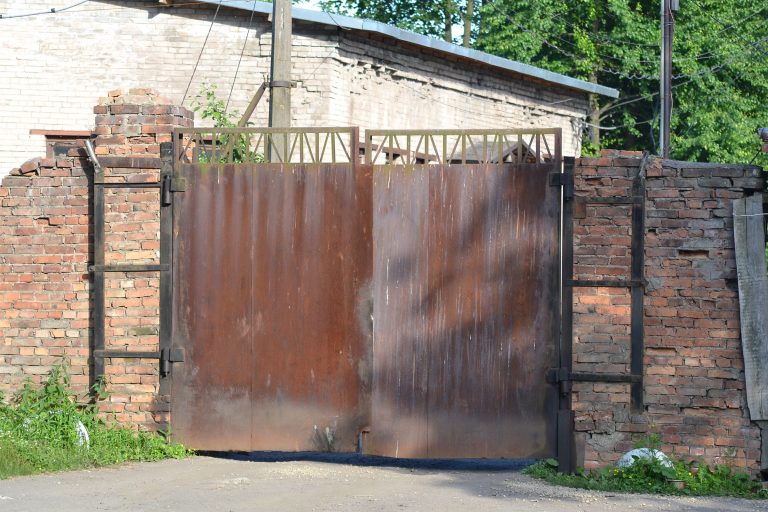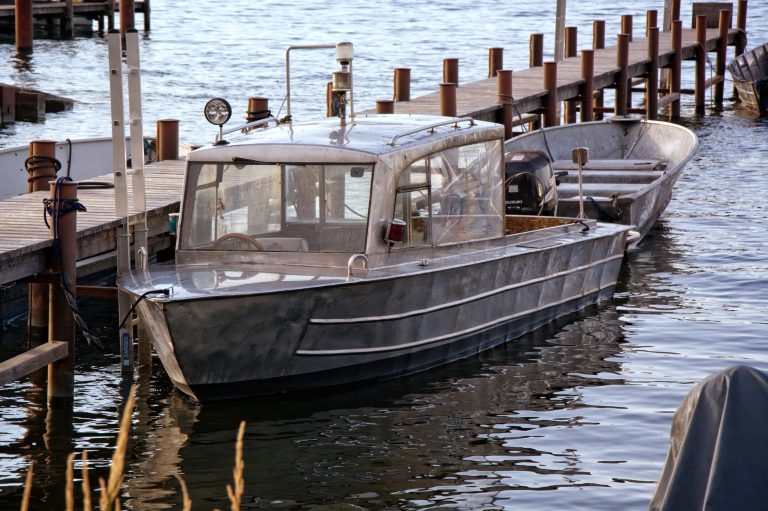
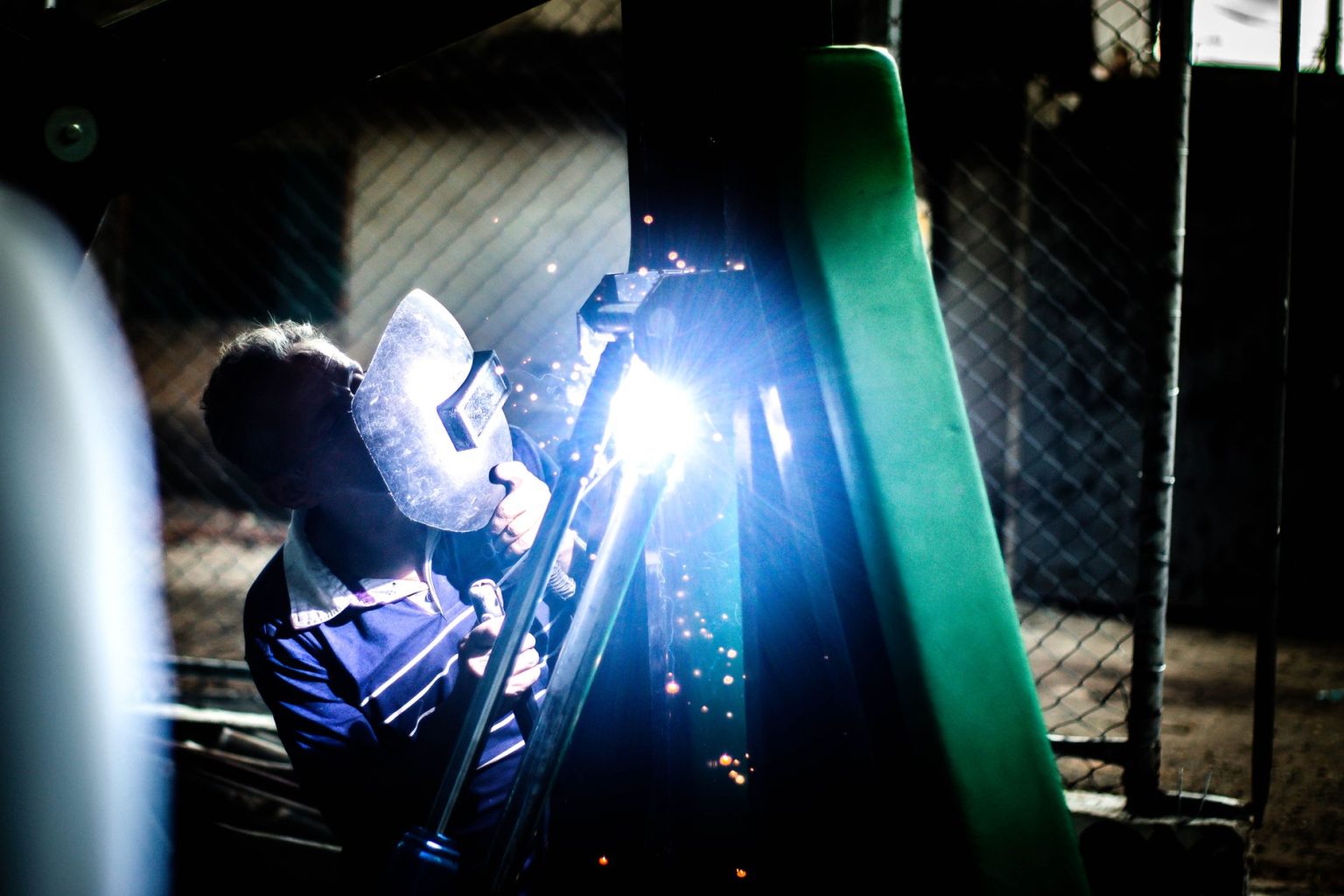
After a hurricane or high-wind storm, bent fences, gates knocked off their hinges, and damaged railings are among the most common repairs New Orleans homeowners face. Most bent or torn metal sections can be repaired through on-site welding rather than full replacement, as long as the welds have not sheared and the metal has not rusted through. A quick safety check, a close inspection, and a repair-versus-replace decision come before any welding begins.
A hurricane or a fast-moving line of severe storms can leave a metal fence bent double, a gate ripped clean off its hinges, or a porch railing twisted out of shape in a matter of minutes. Once the wind dies down, homeowners across New Orleans are often left wondering whether that damage can be fixed or whether it means starting over with a whole new section.
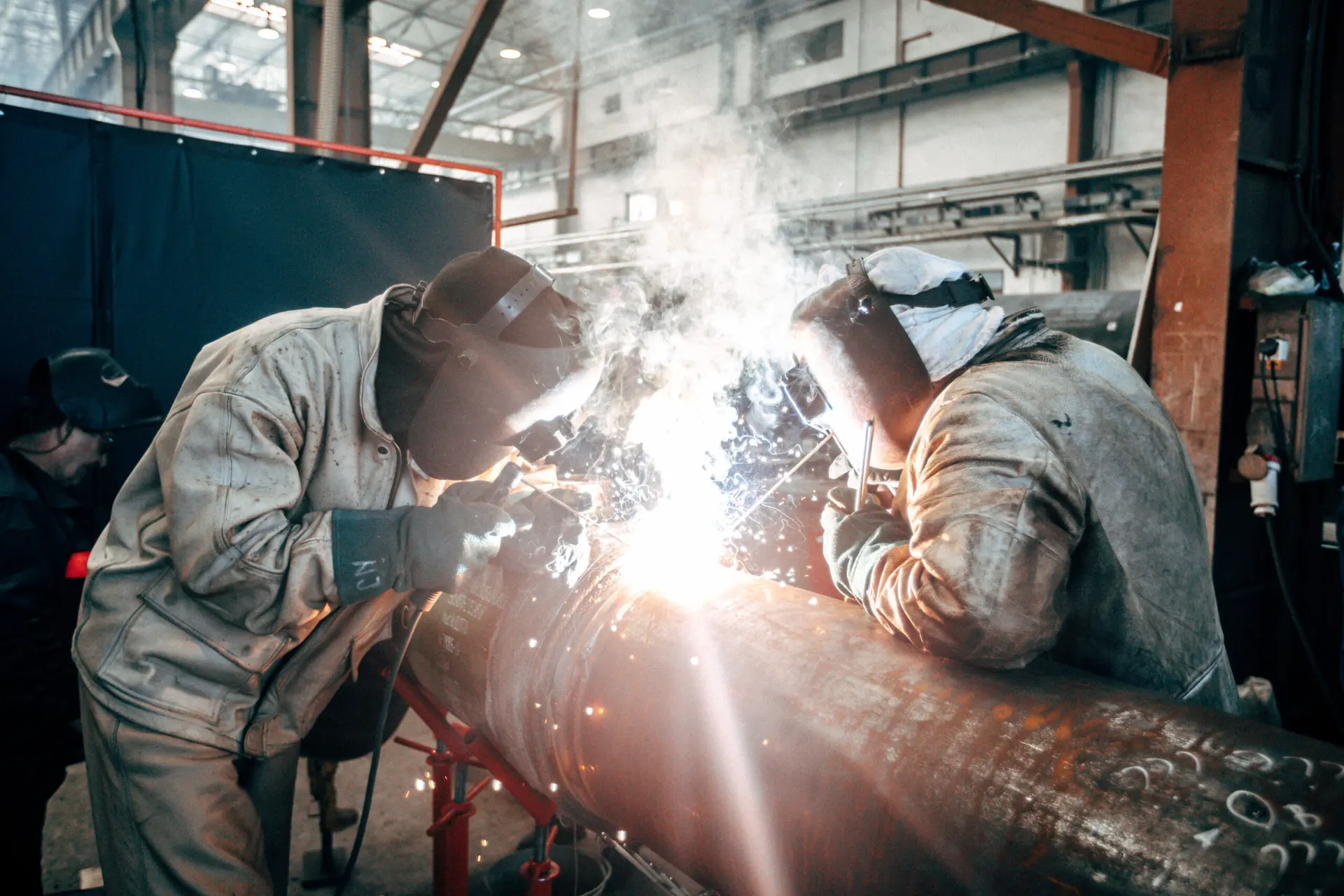
At Big Easy Mobile Welders, we handle storm-damage repairs on-site so a bent gate or torn fence panel does not have to sit unrepaired for weeks while it waits on a shop appointment. Our welders come to the property with the same equipment a shop would use, assess the damage in person, and often complete the repair the same visit.
Knowing what to check first, and when a repair is realistic versus when a section needs replacing, saves time and keeps a quick fix from failing in the next storm. Contact us today to schedule an on-site assessment of your storm-damaged fence, gate, or railing.
Why Storm Winds Bend and Weaken Metal Fencing, Gates, and Railings
High wind does not need to hit a fence directly to bend it. Flying debris, uprooted branches, and even a neighbor's loose panel slamming into a fence line can rack a frame out of square or shear a weld joint that was solid the day before.
Gates take the worst of it because they swing. A gate left unlatched, or one whose latch fails in the wind, can slam back and forth hard enough to bend the frame, snap a hinge weld, or pull the hinge pins loose from the post entirely.
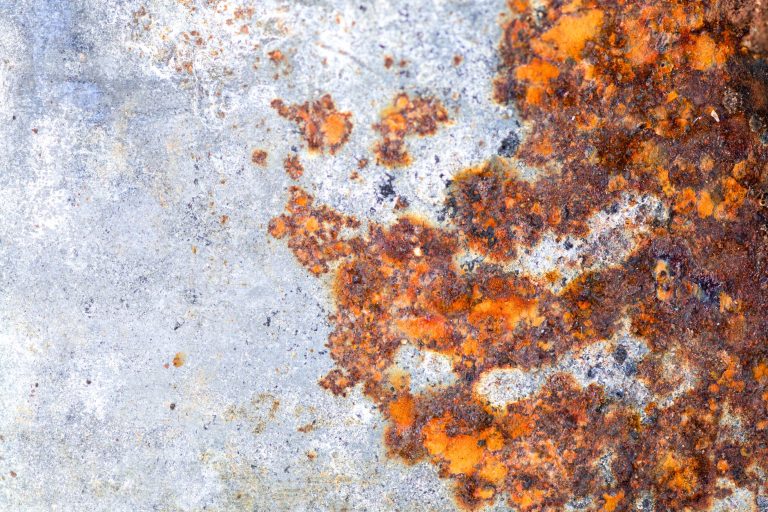
Standing water and the region's humidity add a second layer of damage after the wind stops. Bare metal exposed where a weld cracked or a coating chipped starts rusting almost immediately, and that rust can eat into the metal's wall thickness long before the fence looks any different from a distance.
Step 1: Take a First Look and Judge Repair vs. Replace
Before calling anyone, walk the damaged section and get a general sense of how bad it is. The table below covers the most common storm-damage patterns and which repair path they usually point to.
| What You See | Likely Repair Path | Why |
|---|---|---|
| Frame bent, but corners still square | Usually repairable | Metal can often be heated and straightened without cutting anything out |
| Weld joint cracked or sheared | Repairable by rewelding | Surrounding metal is typically still sound; only the joint failed |
| Gate off its hinges, frame still square | Repairable, re-hang | Hardware failed before the frame itself did |
| Frame racked (diagonals uneven corner to corner) | Often needs a new frame section | A twisted frame rarely holds a straight line again after just bending it back |
| Heavy rust or pitting through the metal's wall | Replace the section | Metal that has lost roughly half its wall thickness cannot reliably carry its original load |
None of this replaces an in-person look, but it gives you a starting point before a welder ever arrives.
Step 2: Check for Safety Hazards Before You Touch Anything
A damaged fence or gate can hide hazards that are not obvious from a distance. Walk the perimeter carefully and look for these before doing anything else:
- Downed power lines resting on or near any metal fencing, railings, or gates
- Torn metal edges or bent screws where flying debris tore through a panel
- A leaning post or section that could fall if bumped or leaned against
- Standing water anywhere near a section with exposed, bare metal
- A gate that no longer latches and could swing unexpectedly in the wind
If you spot any of these, keep people and pets away from that section until a professional has looked at it.
Step 3: Inspect Every Gate, Hinge, and Railing Point
Storm damage is not always where it looks most obvious. Check the connection points as closely as the panels themselves:
- Hinge welds and hinge pins for cracks, gaps, or visible bending
- Gate latches and drop rods for alignment, since a shifted frame can throw both off
- Railing posts where they meet a porch, stair, or deck for loosened anchors
- Any spot where paint or powder coating chipped away, exposing bare metal underneath
- Fence panels next to the obviously damaged section, since a hit hard enough to bend one panel often stresses its neighbors too
A five-minute walk-around here often reveals damage that would otherwise go unnoticed until the next storm makes it worse.
Step 4: Document the Damage Before Repairs Begin
Photos taken before any repair work starts protect you if you file an insurance claim. Wind damage to fences and other detached structures is commonly covered under a standard homeowners policy, though coverage details vary by carrier.
- Wide shots showing the full fence line, gate, or railing and its surroundings
- Close-up shots of bent metal, sheared welds, or torn hinges
- A shot of any exposed bare metal or visible rust
- The date the damage was noticed, even if it is an estimate
Check your specific policy before assuming full coverage, since detached-structure limits can differ from the limit on the main house.
Step 5: Call a Mobile Welder for an On-Site Repair
Once you have a general sense of the damage, the fastest way to get an expert opinion is to have a welder look at it in person rather than describing bent metal over the phone. Our mobile welding services cover fence, gate, and railing repair on-site, which means the damaged section never has to be disconnected, loaded, and hauled anywhere.
A mobile visit also lets the welder see exactly how the frame sits and whether corrosion has started, details that are harder to judge from photos alone. Most repairable damage, like a bent rail or a sheared weld, can be fixed in a single visit instead of a multi-day shop turnaround.
Step 6: Know What Happens During the Repair Visit
A typical storm-damage repair visit follows a similar sequence no matter what got bent or torn loose. Knowing the general order helps you understand what the welder is doing and why:
- Grinding the damaged area down to clean, bare metal so the new weld actually bonds
- Heating and straightening bent sections where the metal allows it, instead of cutting anything out
- Rewelding cracked or sheared joints and reinforcing the area around the original failure point
- Re-hanging gates and confirming hinges, latches, and drop rods all line up correctly again
- Checking that the repaired section sits square, plumb, and level before the visit ends
Every storm-repair visit ends with this same finish check from our mobile welding crew, whether the job is one bent panel or a full gate rebuild.
Get Your Storm-Damaged Fence, Gate, or Railing Fixed On-Site
Storm damage does not have to mean tearing out an entire fence line or gate. Most bent frames, sheared welds, and knocked-loose hinges can be repaired on-site once the damage has been checked against a repair-versus-replace standard.
At Big Easy Mobile Welders, we've repaired storm-damaged fences, gates, and railings across the New Orleans area without requiring anyone to haul bent metal to a shop. Call us today to schedule an on-site assessment before the next storm finds the same weak point.
Frequently Asked Questions
Can a bent metal fence or gate be repaired after a storm?
Most bent metal fences and gates can be repaired rather than replaced, as long as the frame is still generally square and the welds have not sheared. A welder typically heats the bent section, straightens it back into place, and checks the joint for hidden cracks before calling the repair finished.
How do you know if storm-damaged metal fencing needs to be replaced instead of repaired?
Replacement usually makes more sense than repair when a frame has racked out of square, a weld has sheared clean through, or rust has eaten deep enough into the metal to weaken its wall thickness. A quick on-site inspection is the most reliable way to tell the two situations apart.
Is it safe to keep using a fence or gate that was damaged in a storm?
A storm-damaged fence or gate can hide sharp torn edges, loose hinges, or a section that is only partly attached to its post, so it is worth keeping people and pets away until it has been inspected. A gate that no longer latches securely should not stay in use until it is repaired.
How much wind does it take to damage a metal fence or gate?
Wind in the range of roughly 45 to 55 miles per hour is often enough to start damaging fences, gates, and other outdoor structures, and hurricane-force wind at 74 miles per hour or higher can cause far more serious bending and detachment. Flying debris can cause damage well below those thresholds too.
Does homeowners insurance cover storm damage to fences and gates?
Wind damage to fences and other detached structures is commonly covered under a standard homeowners policy, though coverage limits for detached structures often differ from the limit on the main house. Checking your specific policy and documenting the damage with photos before repairs begin is the safest approach.
How long does it take to repair a storm-damaged gate or railing?
A straightforward repair, like rewelding a sheared joint or re-hanging a gate on new hinges, can often be completed in a single on-site visit. More extensive damage, such as a fully racked frame or a section with heavy corrosion, may need a follow-up visit to fabricate a replacement piece.
Can rusted metal be welded back together after storm damage?
Lightly rusted metal can usually be ground back to clean metal and welded normally, but sections where rust has eaten through a significant portion of the wall thickness are generally too weakened to weld safely. In those cases, cutting out and replacing the corroded section is the more reliable fix.
Do you have to remove a damaged gate from the property to repair it?
No. A mobile welding repair happens on-site, so a bent gate, torn fence panel, or damaged railing stays right where it is instead of being disconnected and hauled to a shop. The welder brings the equipment needed to grind, heat, and weld the repair in place.