
You cannot permanently fix a broken weld without a welder, but you can hold it safely until one arrives. In New Orleans, photograph the damage first, then keep a forced gate or fence closed with a chain and padlock, ratchet straps, clamps, or a barrier. Epoxy steel putty suits only light, non-structural parts, and a broken weld on a trailer or a security gate needs a proper weld, never a DIY patch.
At Big Easy Mobile Welders, we find that emergency calls almost always arrive in the same state. A weld has given way, something is open that should be closed, and the person calling wants it shut before dark.
That is the right instinct, and there is one step that has to happen first. Once a gate is welded shut or a post is straightened, there is no longer any way to show how the damage happened.
Five minutes of photographs costs nothing and protects you afterward. Contact us today to arrange securing now and a proper repair to follow.
You can only hold a broken weld temporarily until it is properly welded. A chain and padlock, ratchet straps, clamps, or a bolted strap will keep a broken gate or fence joint closed, and epoxy steel putty suits only light, non-structural parts. A trailer with a broken weld should not be towed, and a gate held this way is not truly secure.
Make sure nobody is at risk before any of that. A vehicle strike can leave a fence section or a gate leaf balanced and ready to fall, and a forced grille can leave sharp edges at head height.
If a utility could be involved, such as a strike near a meter, a service line, or an electrical enclosure, keep people clear and call the utility first. Then photograph the damage and file whatever report applies before any temporary hold goes on.
Documenting is the step people regret skipping, and it is the fastest in the whole sequence.
Start from far enough back to show the whole gate, fence run, or opening in its surroundings. Context photographs establish where the damage sits relative to the street, the driveway, and the building.
Take several angles rather than one. A single photograph rarely shows both the direction of impact and the extent of it.
Do this before anyone moves debris. Debris position is often the clearest indication of what happened.
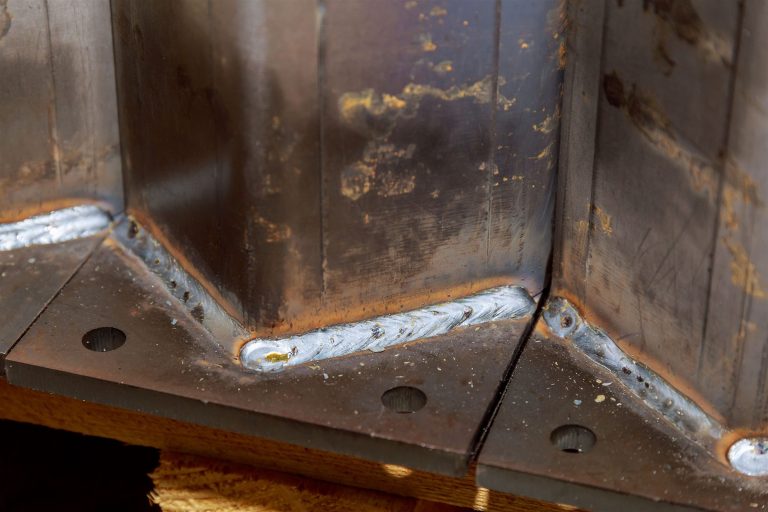 Photograph each damaged component individually: the hinge, the latch, the post base, the torn weld, the bent bar. Get close enough that the deformation is unmistakable.
Include something for scale where the size of a gap or a bend matters. A tape measure or a familiar object in frame settles later questions.
Capture tool marks separately if a lock or grille was forced. Those marks disappear the moment the part is replaced.
Write down the date, the time, and what you found, while it is fresh. Memory of a stressful evening is unreliable a week later.
Record any reference number from a report, along with who you spoke to. Keep that with the photographs rather than in a separate place.
If you have a security camera covering the area, export the footage rather than leaving it to be overwritten. Many systems overwrite older footage automatically.
Do not discard a sheared hinge, a cut lock, or a torn bracket until you know nobody else needs to see it. They are small and easy to bag.
The same applies to any part left behind by a vehicle. Photograph it in place first, then keep it.
Our fence welding service can work around whatever documentation stage you have reached, so securing does not have to wait.
| Damage | Typical Securing Measure | What Follows Later |
|---|---|---|
| Gate forced at the latch | Temporary bar or tack weld to close the leaf | New latch, realignment, reinforced strike |
| Hinge sheared off a post | Leaf removed and the opening barred | Hinge rebuilt, post checked for movement |
| Fence section flattened by a vehicle | Section cut free and the gap closed off | Panels refabricated, posts reset or replaced |
| Security grille or bar cut | Cut bars rewelded or a plate fitted | Grille reviewed and the weak point reinforced |
| Bollard or post knocked over | Hazard removed and the area made safe | Base rebuilt, footing assessed |
Securing is deliberately temporary, and it should look like it. A tack-welded bar across a gate is meant to be removed, and making it permanent-looking at first usually means it has to be cut out twice.
Keep the measure reversible where the damaged part may still be needed. That is the practical reason securing and repairing are two visits rather than one.
A gate that has been forced at the latch can usually be held shut with a bar tacked across the frame rather than by welding the leaf to the post. The tack comes off with a grinder in seconds.
Where the latch side is too damaged to hold anything, barring to the hinge side works instead. The aim is a closed opening, not a tidy one.
Avoid welding directly to a decorative or historic component at first. Those are the parts that are hardest to replace and easiest to damage further, and our gate welding service treats them as the last resort rather than the first fix.
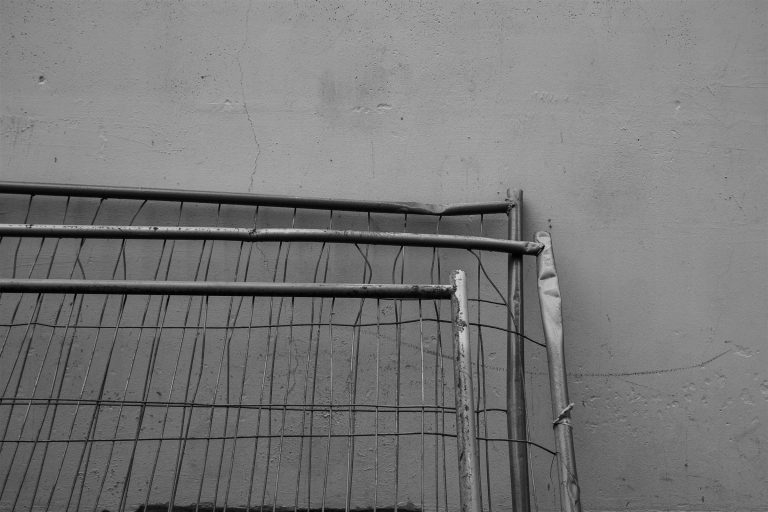 A section pushed over by a vehicle is usually both a security gap and a physical hazard, and the hazard comes first. Cut the section free rather than trying to lever it upright in the dark.
Once it is clear, the gap can be closed with temporary panel or barrier material until replacement sections are fabricated. Keep the removed section rather than scrapping it, because it is the pattern for the new one.
Check the immediate area for anything else that is now unsupported. Fence runs fail in sequence rather than at one point.
Where the damage sits close to a meter, a service line, an electrical enclosure, or a building wall, nothing gets cut or welded until that proximity is confirmed safe. This is the one situation where waiting is the correct answer.
Hot work near a structure also needs the surroundings cleared and watched, particularly alongside a wooden building. Spatter travels further than most people expect.
If the safe answer is a barrier tonight and welding tomorrow, that is the answer. Nothing about a security gap justifies a fire.
Once the property is secure, the repair can be assessed properly rather than in the dark with a flashlight. That assessment usually finds more than the obvious break.
A vehicle strike transmits force well beyond the point of contact, so posts two or three bays away are worth checking for movement at the base. A gate forced at the latch has often bent at the hinge as well, because the leaf pivoted before it gave.
Alignment comes before welding. A gate that is rehung to a post that has moved will bind, and binding is what tore the latch out in the first place.
Coating finishes the job. Every ground area and every new weld needs priming and painting, because bare steel at a repair rusts quickly in this climate and the repair then looks like damage all over again.
A broken weld after a break-in or a vehicle strike creates two jobs rather than one, and treating it as one is what produces a repair that has to be redone. Document first, secure second, and let the permanent work follow a proper assessment.
At Big Easy Mobile Welders, we come to the property and handle both stages, working around whatever reports or documentation you need. Call us today to get a forced gate, fence, or grille made safe.
Make sure nobody is at risk from unstable sections or sharp edges, then photograph everything before anything is moved. File whatever report applies. Securing the opening comes after the documentation, because once the gap is closed the scene no longer shows what happened.
Yes, and it is the step most often skipped. Take wide shots showing the context, then close-ups of each damaged component with something in frame for scale, then anything left behind. Export any camera footage before the system loops over it.
It depends on scheduling, so timing is not guaranteed. When we attend, a gate can usually be temporarily closed or removed and the opening barred on that first visit. The permanent repair follows once the damage is assessed in daylight and any documentation is complete.
That depends entirely on your policy and your insurer, and it is not something a welder can answer. What you can do is document thoroughly, keep the damaged parts, and retain any report reference. Those are what any claim process will ask you for.
Usually. The force travels along the fence run, so posts two or three bays from the contact point commonly show movement at the base even when the panels look intact. Checking them at assessment prevents a second repair a few months later.
Often yes, depending on where it was cut and how much material was lost. A cleanly cut bar can be rejoined, sometimes with a reinforcing sleeve. If the cut removed length, a new section is fabricated in rather than the gap being bridged.
Because securing has to happen quickly and repairing has to happen properly. A temporary measure is deliberately reversible, so nothing is committed before the full extent of the damage is known. Combining them usually means cutting the temporary work back out.
Yes, at least until you know nobody else needs to see them. A sheared hinge, a cut lock, or a torn bracket can carry tool marks, and anything left behind by a vehicle may matter. Photograph them in place first, then bag them.


 By Admin
  Sep 21, 2026