No, wet metal should be dried before anyone welds it in New Orleans, since surface water breaks down in the arc and adds hydrogen. That hydrogen can cause porosity and delayed cracking, while wet ground or wet equipment raises the risk of electric shock. A mobile welder waits out the rain or shelters the work, then dries and cleans the joint first.
Last Updated: November 4, 2026
Table of Contents
- Why Does Wet Metal Matter for Welding in New Orleans?
- What Does Moisture Do to a Weld on New Orleans Metal?
- What Do OSHA Rules Say About Welding in Wet Conditions in New Orleans?
- How Do Mobile Welders Handle Wet Metal on New Orleans Jobs?
- Keep the Metal Dry Before the Repair Starts
- Frequently Asked Questions
At Big Easy Mobile Welders, we weld fences, gates and railings right where they stand across New Orleans. Most of that metal lives outdoors, so rain and humidity shape almost every job we plan.
People often ask whether a little water on the metal really matters. It does, both for the strength of the weld and for the safety of the person doing the welding.
This guide covers what moisture does inside a weld and what federal safety rules say about wet conditions. It also explains how we keep the metal dry before the arc ever starts.
Why Does Wet Metal Matter for Welding in New Orleans?
Wet metal matters in New Orleans because the city rarely stays dry for long, and outdoor steel feels every storm. NOAA's 2021 climate normals put the airport at about 63 inches of precipitation a year, with measurable rain on about 115 days.
June is the wettest month in that record, at about 7.6 inches on average. Even on a clear afternoon, dew, a hosed-down driveway or a dripping roof edge can leave a gate wet.
Waterfront property adds salt air to the mix. Damp, salty air corrodes bare steel fast, and that rust holds water against the metal right where a weld needs to go.
So the question comes up on outdoor jobs all year. The answer starts with what water actually does once the arc hits it.
What Does Moisture Do to a Weld on New Orleans Metal?
Moisture weakens a weld from the inside, because water on the metal breaks down in the arc and feeds gas into the molten pool. The weld can look clean on the surface while it hides holes or the start of a crack.
Hydrogen From Water on the Surface
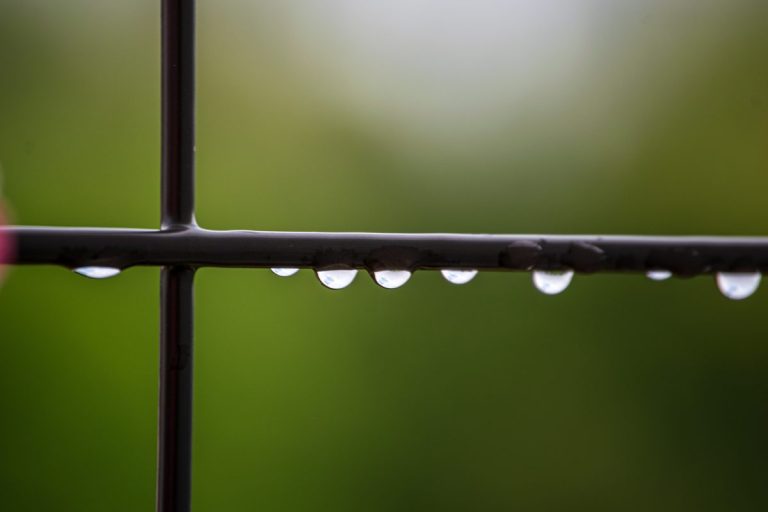 ESAB, a welding equipment maker, explained in a 2024 article that water is a prime source of hydrogen in a weld. At arc temperatures, that water splits apart and releases hydrogen atoms into the pool.
TWI, the welding research organization, lists the workpiece surface among the sources of that moisture in a guide first published in 1999. So the water does not have to come from the rod or the wire to cause trouble.
A thin film left by last night's shower is enough to matter. That is why we dry the joint before welding outdoors, even when the sky has cleared.
Porosity From Trapped Gas
Porosity means small gas holes left inside a weld or on its face. TWI's 1999 guide explains that it forms when nitrogen, oxygen and hydrogen absorbed in the molten pool get trapped as the metal solidifies.
The same guide names drafts among the frequent causes. Moving air can push shielding gas away from the arc. Rain often arrives with gusts, so a stormy day can attack the weld from two directions at once.
A porous weld carries less solid metal than it appears to. Under load or vibration, those holes give a crack an easy place to begin.
Condensation on Cold Metal
Metal can get wet without any rain at all. ESAB notes that moisture condenses on a metal surface when its temperature is at or below the dew point.
Its 2024 article gives an example. At 70% relative humidity, the metal must be no colder than 9°F below the air to keep condensation from forming.
That happens on humid mornings here, when steel that cooled overnight sits in warm, damp air. Wiping it once may not solve it, because the film can return until the metal warms up. Cold snaps bring different problems, covered in our guide to welding in cold weather.
Cracks That Show Up Later
Hydrogen cracking is the slower risk. TWI's 2000 guide on the subject says it is also called cold or delayed cracking. It can appear right after welding or a short time later.
The same guide lists moisture from the atmosphere, plus oil, grease, dirt, rust, paint and coatings, among the sources of hydrogen. Wet, rusty steel brings several of those to one joint.
A crack that opens after the welder has packed up is the costliest kind to find. Our guide on how to stop welds from cracking covers the other common causes.
What Do OSHA Rules Say About Welding in Wet Conditions in New Orleans?
OSHA's welding rules set no specific limit for working in the rain, but they address wet conditions, wet machines and water near live electrical parts. Those federal safety rules apply to jobs in New Orleans the same as anywhere else in the country.
OSHA's welding rule, 29 CFR 1910.254, in the 2026 Code of Federal Regulations, covers AC welding in wet conditions. It recommends "reliable automatic controls for reducing no load voltage" to cut the shock hazard. It also says "machines which have become wet shall be thoroughly dried and tested before being used."
OSHA's construction rule, 29 CFR 1926.351, bans dipping a hot electrode holder in water. Doing so "may expose the arc welder or cutter to electric shock."
Wet-weather welding is no project for a homeowner with a borrowed welder.
How Do Mobile Welders Handle Wet Metal on New Orleans Jobs?
Mobile welders in New Orleans handle wet metal by keeping water away from the joint, the machine and the ground under them. That means timing the visit around the weather, sheltering the work and drying the metal before the arc starts.
Waiting Out the Rain
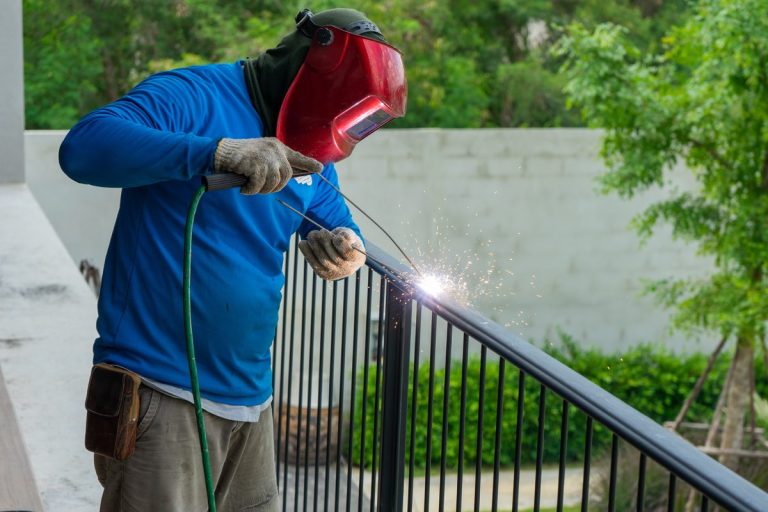 Rain is a reason to wait, and our mobile welding service plans for it. A shower usually means a pause until it passes. Another option is a solid roof over the work, so the steel and the surface below stay dry.
When the forecast looks bad, moving the visit is usually the safer call. You can request a time through our estimate form, and the date can be set with the forecast in mind.
Our guide to getting ready for the mobile welder's visit explains how weather and site access shape the day.
Cover From Rain and Wind
Where the work allows, a canopy, a carport or a garage roof can keep water off the joint. Whether a given job can go ahead depends on the site and on how well the work area can be covered.
Wind matters as much as the water does. Gusts that drive rain under a cover can also blow shielding gas off the weld, which is the draft problem TWI describes.
Standing water near the work is another stop sign. The leads and the machine stay out of puddles, and the welder stays on dry footing the whole time.
Drying and Cleaning the Joint
Once the weather allows, the joint is dried and cleaned before welding. Grinders and wire brushes strip rust, flaking paint and mill scale from the area, which also removes coatings that hold moisture.
ESAB's 2024 article stresses that surfaces must be thoroughly dried after cleaning. Cleaning fluids left in a seam are one more source of hydrogen, according to TWI's 2000 guide.
On a fence or gate, this prep can take longer than the weld itself. Skipping it to beat the next shower usually costs more time later, because the prep decides whether the repair holds.
Protecting the Weld Afterward
A fresh weld is bare steel, and bare steel rusts quickly once the humidity climbs. Primer and paint are often added, so the joint is sealed before the next rain.
That finish is part of the repair in this climate. Our guide to protecting welded metal from rust explains the coating options in more detail.
Fences sit in the weather all year, and primer and paint often go on our fence welding repairs for that reason. A sealed joint sheds water the way the rest of the fence does.
Keep the Metal Dry Before the Repair Starts
Wet metal can be welded once it is dried, cleaned and sheltered from the rain and wind. Those steps keep hydrogen out of the weld, keep the welder safe from shock and let the repair last through the next wet season.
At Big Easy Mobile Welders, we plan outdoor welding around the New Orleans weather and prep each joint before the arc. Call (504) 370-2757 to book a dry-day visit for your gate, fence or railing repair.
Frequently Asked Questions
What does OSHA say about welding in the rain?
OSHA's welding rules have no rule written for rain itself, though they cover wet conditions directly. The general industry rule recommends automatic controls that lower no-load voltage for AC welding in wet conditions. It also requires wet machines to be thoroughly dried and tested before anyone uses them again.
Can a person weld in the rain?
It is unsafe to weld while exposed to rain, since water conducts electricity and wet gear raises the chance of a shock. Rain also puts moisture into the joint, which can lead to porosity and cracking. Professionals wait for the weather to clear or weld under solid cover with dry metal.
Can you weld in standing water?
No arc welding should happen while the welder, the leads or the machine sit in standing water. OSHA's construction rule warns against dipping a hot electrode holder in water because of the shock risk. Puddles are cleared, or the work moves to dry ground, before any welding begins on site.
What metal should not be welded?
Metal with a dangerous coating, such as cadmium plating or lead paint, should not be welded until that coating is handled safely. Containers that held fuel need thorough cleaning first, and some alloys crack instead of holding a weld. Our guide on what metal you should not weld covers each case.