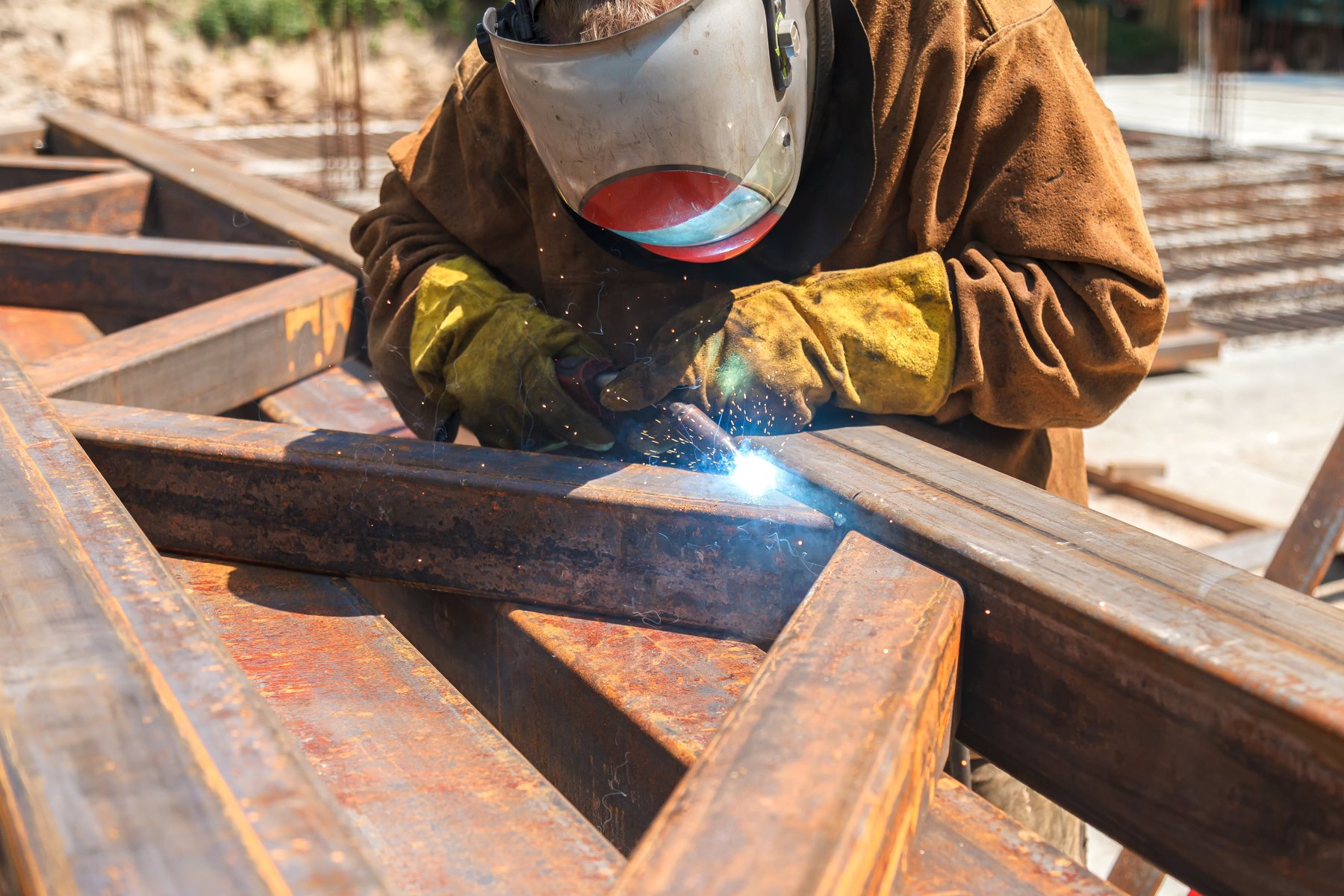
Welding straight over rusty metal is not a good idea in New Orleans. Hobart Brothers warns that rust can cause porosity and heavy spatter, which weakens the bead. Light surface rust can be ground back to clean steel and welded well. Thick, flaking scale needs more work, and metal that rust has thinned or holed is usually cut out and replaced.
Last Updated: November 18, 2026
Table of Contents
At Big Easy Mobile Welders, we fix rusty fences, gates, railings and brackets for homes and shops around New Orleans. A common first question about rusty metal is whether it can be welded at all.
The short answer is yes, once the rust is dealt with. How much work that takes depends on how deep the rust goes and how much sound steel is left.
This guide explains what rust does to a weld and the signs that a repair was laid over it. It also covers when a rusted section should be cut out, using guidance from Hobart Brothers and Lincoln Electric.
How Much Rust Can a Weld Handle in New Orleans?
A weld in New Orleans handles very little rust well, so most rust comes off before the arc is struck. Hobart Brothers, a welding filler metal maker, always recommends proper cleaning of the base metal, so the question is how far cleaning has to go.
Light Surface Rust Comes Off Fast
Light surface rust is the orange film that forms on bare steel after a few damp days. It sits on top of the metal and has not eaten into it yet.
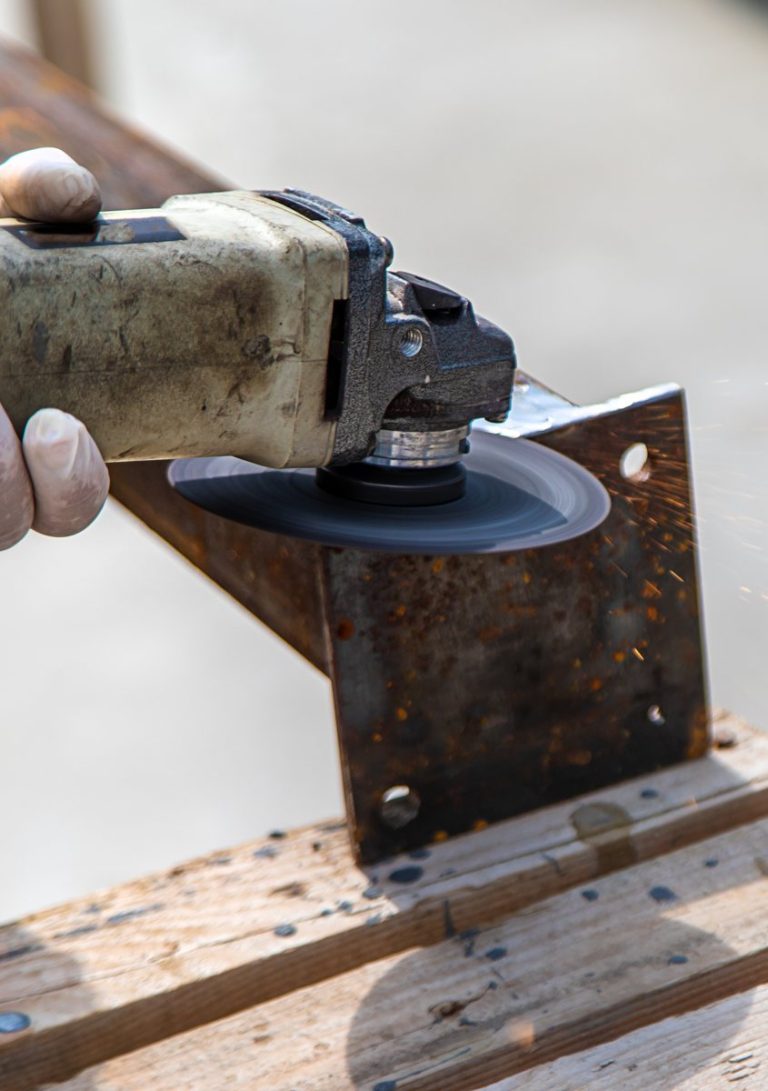
A grinder or wire wheel takes it back to bright steel in minutes, and the joint welds like clean metal.
Hobart Brothers notes that some filler metals carry extra deoxidizers that can help weld through rust when cleaning is not possible. On a fence or gate repair, grinding the joint clean is still the better habit.
Flaking Rust and Scale Need Grinding
Flaking rust is thicker. It lifts in brown layers, often with old paint and mill scale trapped underneath.
Hobart Brothers says the thicker the rust, the harder the welding gets. Layers like these hold moisture and dirt that the arc cannot burn away cleanly.
So the joint is ground until bright, solid steel shows on every surface the weld will touch. On our fence welding jobs, every joint gets ground or wire-brushed down to clean steel before the welder starts.
Rust That Has Eaten Through the Metal
Some rust is past cleaning. Once it has thinned a rail or holed a post, grinding only removes what little steel is left.
Welding to thin, pitted metal is hard to do well. The arc can burn straight through, and the surrounding steel has lost much of its strength anyway.
Rust inside a cracked joint keeps spreading down the rail until that length is removed and rewelded. In that case the honest repair is to cut out the damaged length and weld in new steel. Any section that carries a structural load should be checked by a licensed engineer first.
Warning Signs a Weld Was Laid Over Rust
A weld laid over rust usually shows it, either on day one or within a season of New Orleans weather. The signs below point to a repair that skipped the cleaning step, and each one can weaken the joint or let water back in.
Pinholes and Gas Pockets: Trapped Rust and Moisture
Small holes in the surface of a bead are called porosity. Hobart Brothers lists porosity as one result of welding over rust.
Rust holds oxygen and moisture. When the arc hits it, gas forms inside the molten metal and gets trapped as it cools.
A few pinholes on the surface often mean more hidden inside. Such a bead is weaker than it looks. Our guide on why welds crack covers how flaws like this grow into breaks.
Heavy Spatter Around the Bead: An Unstable Arc
Spatter is the scatter of small metal beads stuck to the steel around a weld. A little is normal, but a heavy ring is a warning.
Hobart Brothers explains that rust carries current less well than steel, so a stable arc is harder to hold on very rusty metal. The same guidance links welding over rust to high levels of spatter.
An arc that keeps sputtering often leaves a lumpy, uneven bead with weak spots along its length.
A Bead Sitting on Top: Poor Fusion at the Edges
A good weld melts into both pieces of metal. A weld laid over rust or scale can sit on top instead, leaving a hard edge along the steel beside it.
That line means the filler never properly fused with the base metal underneath. On our iron railing welding jobs, rust, flaking paint and dirt come off first so the weld fuses into clean iron.
A bead that only sits on the surface can look fine for a while. It is often the first part of the repair to crack loose when a gate swings or a rail takes weight.
Signs the Rusted Steel Needs Replacing
Sometimes welding the rusty part is the wrong fix in New Orleans, because rust has thinned the steel, swelled a joint or beaten earlier repairs. These signs mean the section has failed, so it is time to remove it and fit new steel.
Holes or Soft Spots in the Rail
Rust that flakes away in thick layers or leaves open holes has taken real thickness from the metal. Left alone, rails can rust right through.
Check the underside first. Rust spots on railings usually show there before the top looks damaged, because water sits on the lower edges.
Holes mean the section is done. The repair is to cut back to sound steel and weld in a new piece of matching size.
Rust Swelling at Joints and Bases
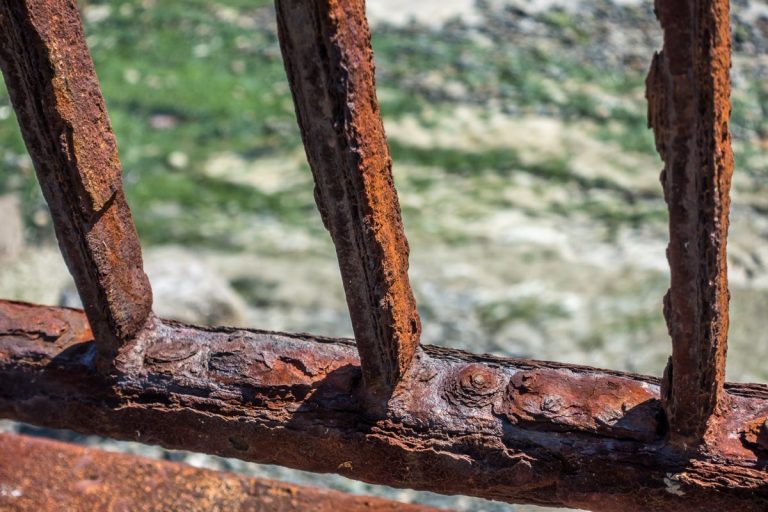
Rust takes up more room than the steel it replaces. Where it forms between two parts, it can swell and push them apart.
Look for joints that have opened, pickets that have worked loose, or a post base that has bulged. Rust tends to hit welds and mounting points early, which lets a railing work loose at its base while the bars still look fine.
At that stage the rust has already gotten into the joint itself. Grinding the surface will not reach it, so the rusted joint is cut out and rebuilt.
Old Repairs That Keep Breaking
A joint that has been welded more than once and keeps failing tells its own story. Often each repair was laid over rust that was never fully removed.
Old ironwork in New Orleans is a common case, and some of it is cast iron, which welds differently from steel. Our guide on repairing broken wrought iron explains how to tell them apart.
A mobile welding service visit lets our welder see the whole joint on site. That way the repair starts from sound metal instead of another patch.
Why New Orleans Weather Keeps Rust Coming Back
New Orleans weather keeps putting rust back on steel, and Hobart Brothers notes that moisture and humidity can speed up rusting. NOAA climate normals for 1991 to 2020 show close to 63 inches of yearly rain and other precipitation at Louis Armstrong airport.
Add damp, salty air, and bare steel can rust quickly once its paint wears away. Cleaning before the weld and coating after it both matter here.
| Factor | Effect on Metal and Welds | What Helps |
|---|---|---|
| About 63 inches of yearly precipitation | Water sits on rails, bases and joints | Shedding water and checking low edges |
| Humid, salty air | Bare steel rusts quickly | Primer and paint soon after welding |
| Worn or chipped paint | Rain reaches bare metal | Touching up coatings early |
| Fresh, bare welds | New steel at the repair rusts first | Grinding smooth, then priming |
After the weld cools, we grind the bead smooth so primer and paint can go straight on. Our guide on protecting welded metal from rust covers coatings, and our guide on welding on wet metal covers damp joints.
Details of a rusty repair can also go through our estimate form.
Get Rusty Metal Welded the Right Way
Most rusty metal in New Orleans welds well once the rust is ground back to sound, bright steel on every face of the joint. Where rust has thinned or holed the metal, cutting it out and welding in new steel is the lasting fix.
At Big Easy Mobile Welders, we clean, weld and prep rusty fences, gates and railings on site across New Orleans. Call (504) 370-2757 to have a welder check how far the rust goes before any repair starts.
Frequently Asked Questions
What is the best way to weld rusty metal?
The best way is to grind the rust off first, back to bright, solid steel that the weld can fuse with. Hobart Brothers says proper cleaning is always recommended. Filler metals with extra deoxidizers are only a fallback when cleaning is not possible.
Should I clean my metal before welding?
Yes, because rust, old paint, oil and dirt can all cause flaws in a weld. Hobart Brothers recommends proper cleaning of the base metal. On a repair, that usually means grinding until bright steel shows where the weld will go.
Is 6011 or 6013 better for rusty metal?
For rusty metal, 6011 is the usual pick, since Lincoln Electric describes E6011 as used on rusty, dirty, less-than-new metal. It describes E6013 as a rod for clean, new sheet metal, with moderate penetration. Cleaning the joint still helps either rod.
Will weld through primer stop rust?
Not by itself. Weld-through primer is a zinc-based coating, such as 3M's Weld-Thru II, made to protect bare metal between overlapping welded parts like auto body panels. It does not seal the rest of the repair, so the exposed weld still needs primer and paint afterward.
Will J-B Weld stick to rusted metal?
J-B Weld asks for a clean surface, free of dirt, grease, oil, paint and loose debris, then roughened with a file or coarse sandpaper. So loose rust should come off first. Epoxy putty is also meant for light parts that carry no real load, as our guide on temporary fixes for a broken weld explains.
Can I just paint over rust on metal?
Only after the loose rust comes off. Rust-Oleum's rusty metal primer instructions say to wash off dirt, grease and salt first. Loose paint and rust then come off with a wire brush or sandpaper, since paint over flaking rust tends to lift with it.