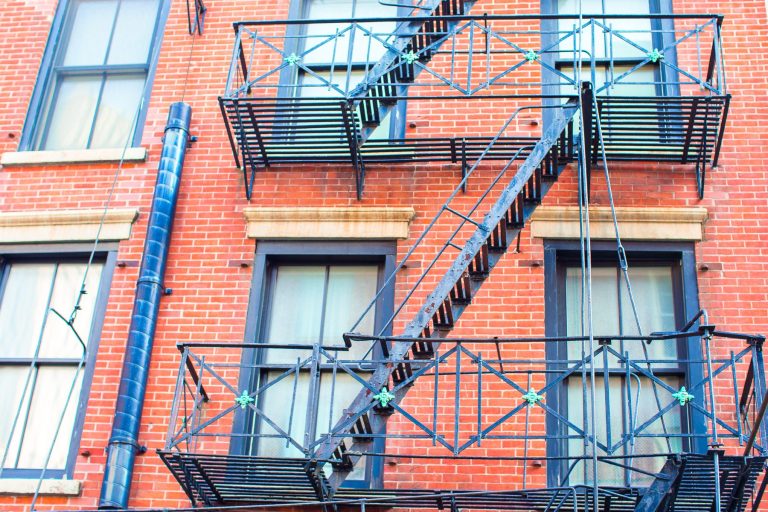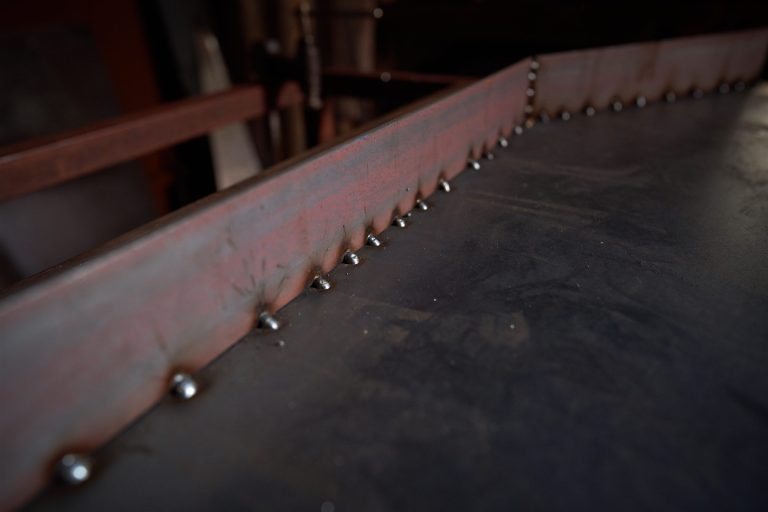
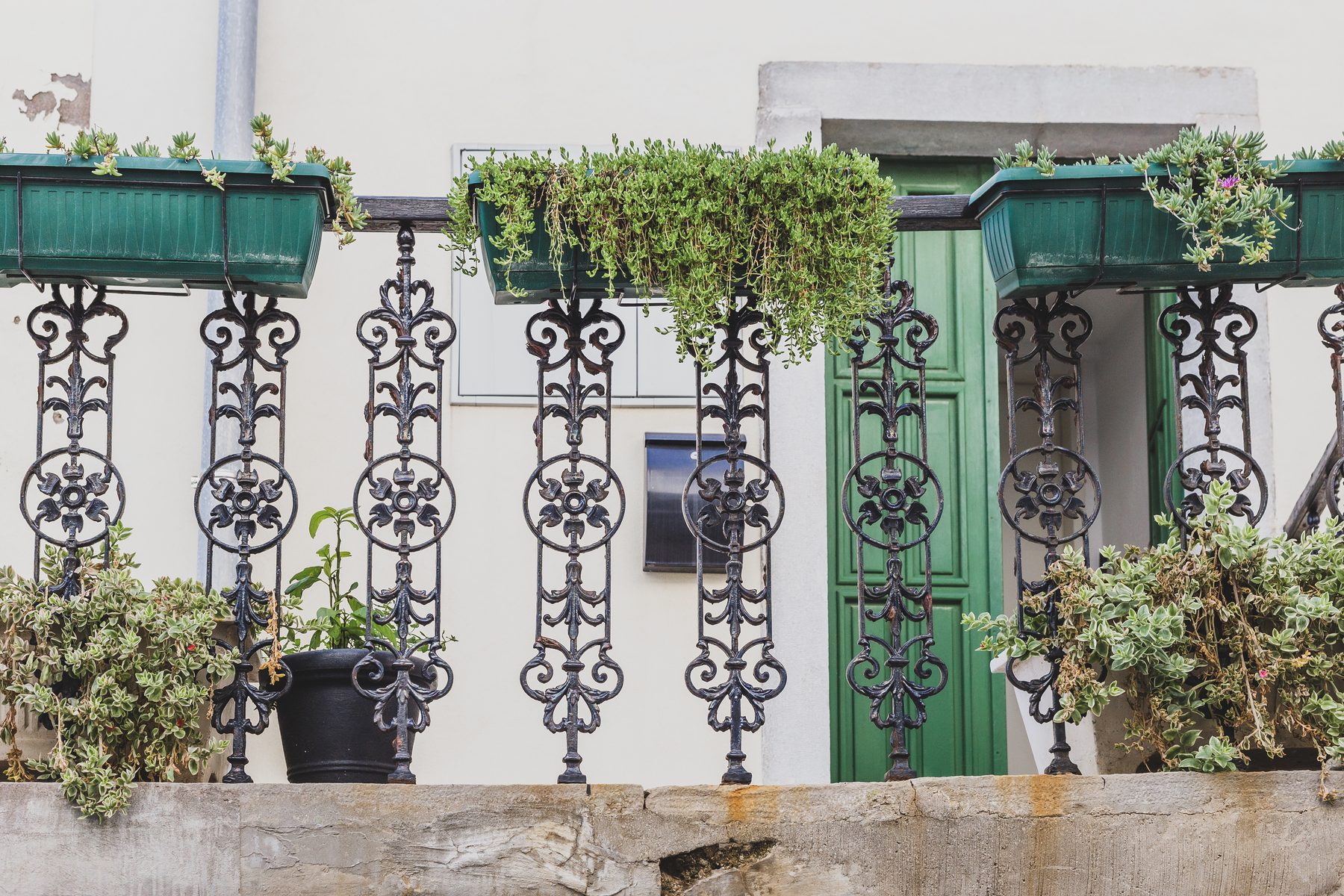
Yes. Broken wrought iron in New Orleans can usually be repaired by welding, because true wrought iron is almost pure iron with very little carbon, and it is tough and easily worked compared with cast iron. The repair depends on what failed and how much sound metal is left once the rust is cleaned back. Some ironwork called wrought iron is really cast iron, which is far harder to weld, so identifying the metal comes first.
At Big Easy Mobile Welders, we repair broken ironwork across New Orleans, from gate frames to balcony railings. Most of it can be welded, but not all of it is the metal people think it is.
The label "wrought iron" gets used for almost any dark, decorative metal. Whether a break can be welded, and how, depends on what the piece is really made of and how far rust has gone.
Knowing that before work starts saves a failed repair and a second visit. Contact us today to have a broken railing, gate, or bracket looked at.
What Real Wrought Iron Is and Why It Welds
Broken wrought iron can usually be repaired, because true wrought iron is almost pure iron. Preservation Brief 27 from the National Park Service describes it as containing less than 1% carbon, usually 0.02 to 0.03%, and as relatively soft, tough, and workable compared with cast iron.
Very Low Carbon
Carbon is what makes iron hard and brittle, and wrought iron has almost none. That is the main reason it tolerates heat and bending far better than cast iron.
The same brief also describes wrought iron as fatigue resistant. If enough good metal remains on both sides of a break, a weld repair is worth doing.
Slag Running Through the Grain
According to that brief, wrought iron carries 1 to 4% slag, physically mixed into the iron rather than alloyed with it. That slag gives the metal its layered, fibrous grain.
The grain is a useful clue when a break is examined. A wrought iron break often shows that fibrous, layered structure, while cast iron breaks with a gray, grainy edge.
It also means old wrought iron is not identical to new steel. The weld is run with care, and a test on a hidden area shows how the old metal responds.
Mild Steel in Modern Repairs
Wrought iron is no longer made the way it was, so replacement sections are usually something else. The National Park Service notes that mild steel is now used to fabricate new hand-worked metal and to repair old wrought-iron elements.
Mild steel can generally be welded to wrought iron. The catch is that it is less corrosion resistant than wrought or cast iron, according to the same guidance.
In a humid, salt-air city, that makes the finish part of the repair. A new steel section left bare will rust long before the old iron around it.
Telling Wrought Iron From Cast Iron and Steel
Identification comes before any welding, because the three metals behave differently under heat. A few visible clues usually settle it.
Shape and Uniformity
Wrought iron pieces are generally simpler in form and less uniform, with signs of rolling or hand working. Cast iron is poured into molds, so it repeats exactly and often shows mold lines, flashing, or small air holes.
Ornate, identical repeating panels, posts, and brackets are often cast. Plain bars, scrolls, and straps that vary slightly from one to the next are more likely wrought iron or steel.
How the Pieces Are Joined
The joints tell you a lot. Federal preservation guidance notes that cast iron parts are often bolted or screwed together, while wrought iron pieces were riveted or forge welded.
Clean, modern arc welds at the joints usually point to steel or to an earlier repair.
How It Breaks
Cast iron is strong in compression but weak in tension, and the brief notes it fails under tensile loading with little warning. It snaps clean rather than bending first.
Wrought iron and mild steel usually bend, twist, or crack gradually before they part. A bent picket with a crack at the bend is very different from a cast baluster in two clean pieces.
Why New Orleans Ironwork Breaks
Most broken ironwork here is not caused by old age alone. It is rust, movement, and impact working on the same weak points.
Rust in Crevices and Joints
The National Park Service notes that salt air speeds rusting and that pockets and crevices trap moisture against the metal. Once a rust film forms, its porous surface holds more moisture and the corrosion keeps going.
Scrolls, collars, and the bottoms of pickets are where that happens first. A railing can look fine from the street while a joint has rusted most of the way through.
Loss of Anchorage in Masonry
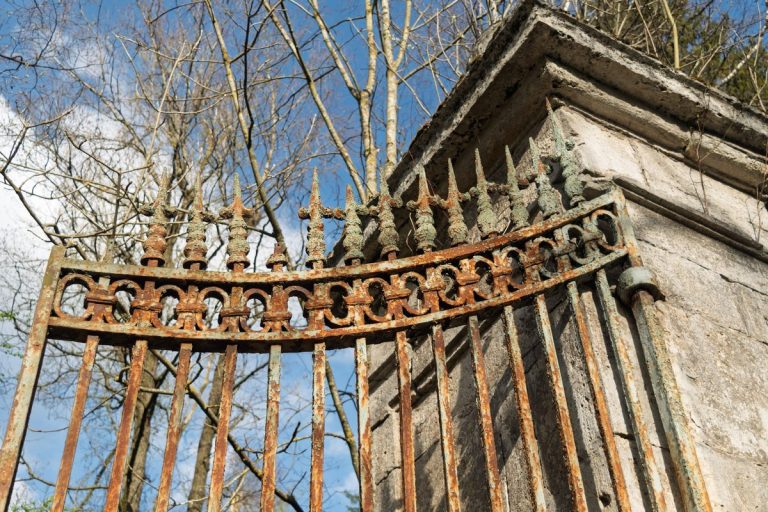 The same guidance lists broken joints, damaged connections, and loss of anchorage in masonry among the common problems in cast-iron construction.
Where a post or bracket is set into brick, stone, or stucco, moisture collects at the joint and the embedded metal corrodes. The railing then loosens at the wall even when the visible metal looks sound.
Impact and Old Repairs
Vehicles, moving furniture, and storm debris break a lot of ironwork here. Impact usually cracks or bends the piece at its weakest joint.
Earlier repairs are the other weak point. A quick weld over rust, or a joint patched with filler, often fails again in the same spot.
How a Wrought Iron Weld Repair Is Done
The method depends on the metal and the damage, and a good repair starts with cleaning the break back far enough to see both.
| Method | What It Involves | Best For |
|---|---|---|
| Weld the break | Clean to sound metal, fit, weld, finish | Cracked joints and bars with good metal around them |
| Splice in a new section | Cut out rusted metal, weld in new steel | Picket bottoms and posts rusted through |
| Mechanical repair | Replace or tighten bolts and screws | Loose cast iron assemblies |
| Replace the part | Fabricate or recast a new piece | Broken castings and badly corroded members |
Clean Back to Sound Metal
Rust, paint, and old filler come off first, because weld metal will not fuse properly through them. On old ironwork this step often shows more damage than the break itself.
If the metal has rusted thin around the break, welding the crack alone will not hold. That section is cut out and replaced with new steel instead.
Our iron railing welding work is done on site, so a railing or balcony section usually stays in place during the repair.
Fit, Clamp, and Control Heat
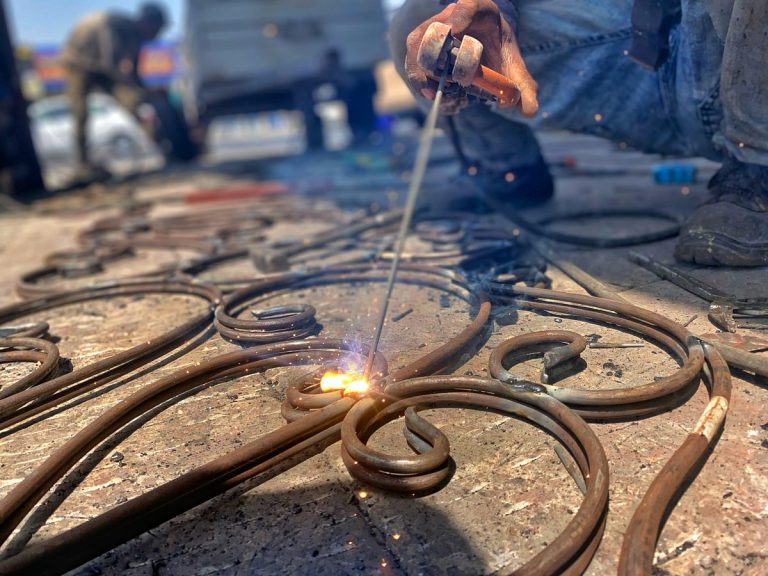 The broken ends are aligned and clamped so the piece is straight before any weld goes in. Heat is applied in short runs so the old iron does not warp.
Cast iron is the exception to this approach. The National Park Service notes that in rare instances major cracks can be brazed or welded with nickel-alloy rods, but that field welding of cast iron is very difficult and suited only to very experienced welders.
Prime and Protect the Repair
A fresh weld and new steel are bare metal, and bare metal rusts quickly in this climate. The repair is ground, cleaned, and primed with a rust-inhibiting primer before paint.
Where a part has to be built new, our custom welding work makes it to fit the existing opening.
What This Means for Your New Orleans Ironwork
Broken wrought iron is usually worth repairing, as long as the metal is identified correctly and the rust is cleaned back to sound iron first. Cast iron, loose anchors, and rusted-through sections each change the method, so the first visit is about diagnosis.
At Big Easy Mobile Welders, we weld broken railings, gates, and brackets on site across New Orleans. Call us today to have broken ironwork assessed and repaired.
Frequently Asked Questions
What can you weld wrought iron with?
True wrought iron can generally be welded, and the National Park Service notes that mild steel is now used to repair old wrought-iron elements. The filler and process are matched to the joint, and a test weld on a hidden area shows how the old iron behaves. Cast iron needs a different approach.
How to repair rusty wrought iron?
Remove loose rust and old paint back to sound metal, then check how much metal is left. Surface rust can be cleaned, primed with a rust-inhibiting primer, and painted. Where rust has eaten through a picket or post, that section is cut out and new steel is welded in before finishing.
Can cast iron be welded?
Sometimes, but it is much harder than welding wrought iron or steel. Cast iron is brittle and high in carbon, and federal preservation guidance notes that field welding or brazing it with nickel-alloy rods is very difficult. Many broken castings are better repaired mechanically or replaced.
How do you tell if it's wrought iron or cast iron?
Cast iron repeats exactly and often shows mold lines, flashing, or small air holes, and its parts are often bolted or screwed together. Wrought iron is simpler and less uniform, with signs of hand working, and was riveted or forge welded. A cast piece snaps clean, while wrought iron tends to bend first.
Can you weld new steel to old wrought iron?
Yes. New mild steel can generally be welded to wrought iron and is now commonly used for repair sections. Because mild steel rusts faster than the old iron around it, the new section has to be cleaned, primed, and painted promptly, especially in humid, salt-air conditions like ours.
Why does wrought iron rust at the bottom of the pickets?
Water collects where pickets meet the bottom rail or the ground, and rust holds that moisture against the metal. Crevices, collars, and joints stay wet longest, so corrosion starts there and works inward. Checking and repainting those spots regularly does more than repainting the visible surfaces.
Do I need a permit to repair a balcony railing in the French Quarter?
Often, yes. Exterior work on French Quarter balconies and railings goes through the Vieux Carré Commission, and its records note that work may not begin until permits from the VCC and the city's Department of Safety and Permits are in hand. Check with the VCC before scheduling repairs.
Can a wrought iron railing be repaired without removing it?
Usually, yes. Most railing breaks, cracked joints, and rusted pickets can be repaired in place with mobile welding equipment, which avoids taking the railing off the building. Removal is generally only needed when a section is too badly damaged to repair where it stands.