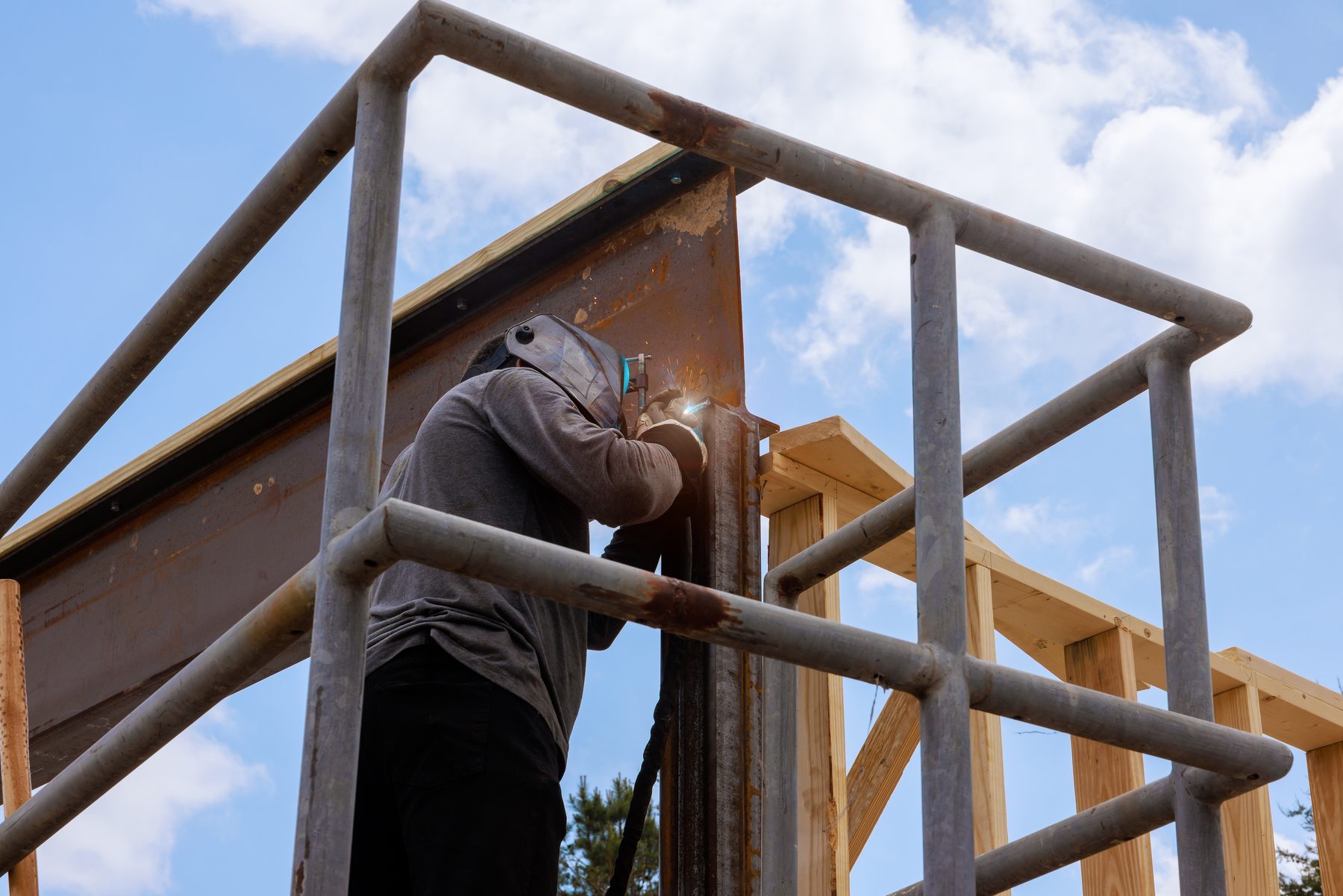
A welded connection is often stronger than a bolted one in New Orleans. A weld fuses the parts into a single, unbroken piece of steel. Bolts clamp separate parts through drilled holes and can loosen under vibration, while damp, salty air rusts any joint. Bolts still make sense where a part must come apart, mount to wood or stay away from welding heat.
Last Updated: November 11, 2026
Table of Contents
- So Which Is Stronger, a Weld or a Bolt, in New Orleans?
- Okay, When Does Bolting Make More Sense for New Orleans Repairs?
- The New Orleans Humidity Thing (Welded or Bolted, It Matters)
- What About Mixing Welds and Bolts on a New Orleans Repair?
- Choose the Joint That Fits the Job
- Frequently Asked Questions
At Big Easy Mobile Welders, we fix gates, fences, railings and steel brackets on site, at homes and businesses across New Orleans. A common question on that kind of repair is simple: should this joint be welded or bolted?
Welds and bolts both hold metal together, but they work in very different ways. That difference decides how strong the joint is, how long it lasts and whether it can ever come apart.
This guide compares the two in plain terms, using guidance from TWI and published bolt grade charts. Let's break down where each one wins on a New Orleans repair.
So Which Is Stronger, a Weld or a Bolt, in New Orleans?
A weld is often the stronger connection in New Orleans, because it fuses the parts into one continuous piece of metal. A bolted joint clamps separate parts together through holes, which leaves more places for movement and rust to start.
Welds Join the Metal Itself
TWI, the welding research organization, says a welded joint is often stronger by nature than one made with mechanical fasteners. Its guide on fastening adds that a fastened joint is generally less strong than one continuous piece of material.
That is the heart of the answer. When a weld is done right, the two parts stop acting like two parts.
On a gate frame or a fence rail, the load can pass through the joint much like it passes through the rest of the frame. There is no clamped seam between the pieces and nothing to tighten later, which is why fixed metal is often welded.
Bolts Need Holes
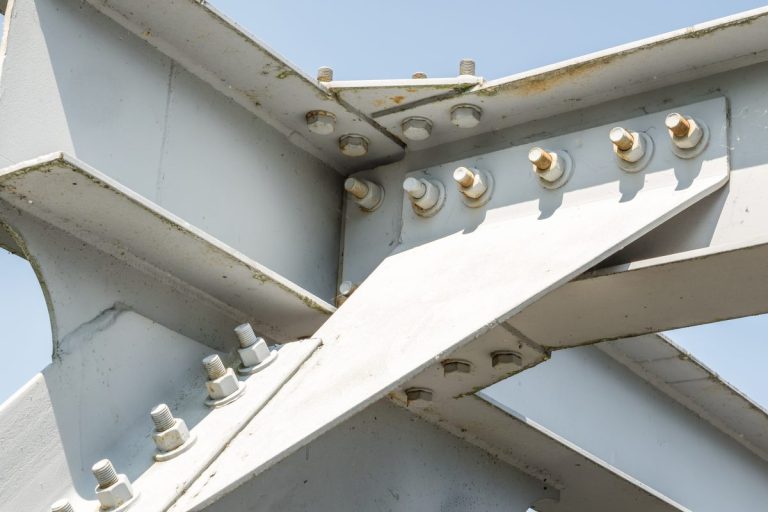
Every bolt needs a hole through both parts, and that hole removes metal from the piece it passes through. TWI warns that fasteners can create points of stress concentration where they sit, which can lead to cracking.
On thin fence pickets or light gate tubing, that matters more than it does on heavy plate. A hole drilled near an edge or a corner leaves even less steel to carry the load.
That does not make bolts weak. It means a bolted joint has to be sized for its job. The bolt, the hole and the spacing all need to suit the part.
Vibration Works Bolts Loose
TWI also notes that mechanical fasteners may loosen over time, especially under vibration or changing loads. A gate that swings and slams many times a day can see that kind of load. So does a trailer on a rough road, which our guide on the right welder for a trailer repair covers.
The same applies to fences. Once a fence joint is welded, there is no fastener left to back out, which is one reason we weld fence joints on site.
A loose bolt also lets the parts rub against each other. Over time that movement can wear the hole larger and open the joint to water.
Heat Is the Catch With Welding
Welding brings heat, and heat changes the metal beside the joint. TWI explains that quenched and tempered steel can soften next to a weld when the weld cools more slowly than the original quench did.
That softened band sits right beside the weld, where the steel got hot but did not melt. It is why heat-treated parts call for a set welding procedure, or a bolt instead.
Heat can also pull thin or long parts out of line. A weld that drags a gate out of square fixes one problem and starts another. The welding order matters, as our guide on keeping a metal gate from warping explains.
Okay, When Does Bolting Make More Sense for New Orleans Repairs?
Bolting makes more sense on New Orleans repairs when a part must come apart later, mount to wood or masonry, or avoid heat. TWI notes that fastening gives joints you can reverse and needs no heat, and those two traits settle most of these calls.
Parts That Need to Come Apart
TWI files bolts under temporary fasteners and describes mechanical joints as usually built for easy disassembly. That is a real advantage on anything that will be serviced, moved or replaced later.
Think of a removable railing section, a bracket on equipment that gets swapped out, or a panel that covers a meter. Welding those shut means cutting them free the next time someone needs access.
The trade-off is upkeep. A joint built to come apart can also loosen, so bolted parts deserve a quick check now and then.
Hinges, Posts and Wood
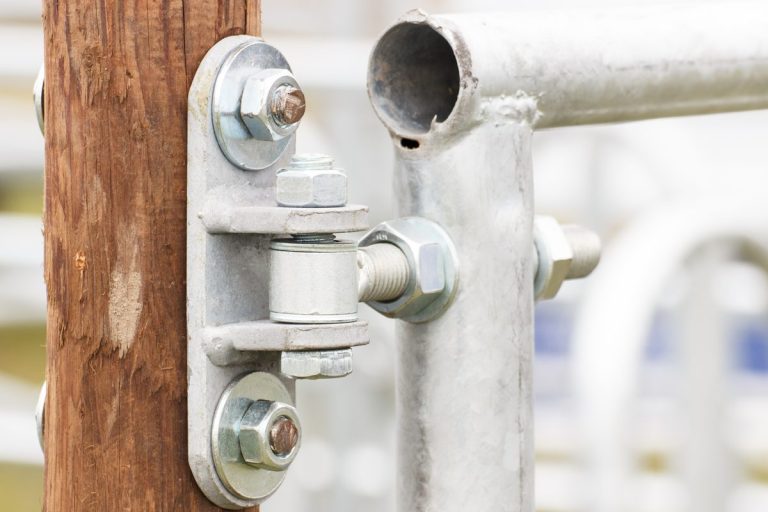
Some connections are bolted by design. When a metal gate hangs on a wooden post, its heavy hinges are bolted through the post or fixed with lag screws.
Steel cannot be welded to a wooden post or a brick pier, so bolts, anchors or screws handle that side of the job. The welding happens on the metal side, such as the gate frame or the hinge plate.
That mix is normal. A gate often pairs a welded frame with bolted hardware, and our gate welding work covers the welded part of it.
Heat-Treated Bolts and Parts
High-strength bolts get much of their strength from heat treatment. Bolt grade charts list SAE Grade 5 and Grade 8 bolts as quenched and tempered. Grade 2 bolts are plain low or medium carbon steel.
That is the same kind of steel TWI warns can soften near a weld. Welding to a Grade 5 or Grade 8 bolt can cost it the strength it was chosen for.
When a high-strength bolt has to stay, one common approach is to leave it alone and weld only where the metal allows. On load-carrying steel, an engineer sets that detail, as our guide on structural steel repair on raised homes explains.
The New Orleans Humidity Thing (Welded or Bolted, It Matters)
New Orleans weather is hard on every kind of metal joint, welded or bolted, on homes and businesses alike. In NOAA's 1991 to 2020 climate normals, Louis Armstrong airport averages roughly 63 inches of rain and other precipitation each year. Damp, salty air can also rust bare steel fast.
Rust that begins at a joint tends to creep outward and loosen the parts around it, a common reason fences here need repair. A bolted joint has threads, washers and seams where that rust can take hold, while a fresh weld leaves bare steel that needs sealing.
So neither choice is free of upkeep here. Either way, the joint lasts longer once it is primed and painted, and our guide to protecting welded metal from rust covers the coating options.
What About Mixing Welds and Bolts on a New Orleans Repair?
Plenty of New Orleans repairs use both, and that works well when each one has its own clear job. A gate might have a welded frame, bolted hinges and a welded latch plate, with no single joint asked to do two things.
The risk comes when welds and bolts share one load in the same joint. They behave differently under load, so on load-carrying steel, an engineer calculates how they split the work.
For structural steel, we weld to the detail a licensed engineer provides. On fences, gates and railings, a mobile welding service visit lets our welders see the joint in person. You can also send the details through our estimate form.
Choose the Joint That Fits the Job
For fixed metal like gates, fences and railings in New Orleans, a weld is often the stronger and longer-lasting choice. Bolts still earn their place where parts must come apart, mount to wood or masonry, or stay clear of heat.
At Big Easy Mobile Welders, we weld fixed joints on site across New Orleans, from gates and fences to railings. Call (504) 370-2757 to have a welder look at your joint and recommend a weld or a bolt.
Frequently Asked Questions
What are the disadvantages of welded connections?
Welded connections are permanent, so a welded part cannot come apart without cutting. Welding heat can also pull thin parts out of line, and TWI adds that it can soften quenched and tempered steel. A sound weld also depends on clean metal and careful technique.
Which joint is stronger, riveted or welded?
A welded joint tends to win, since TWI says a weld is often stronger than a mechanically fastened joint, and rivets are mechanical fasteners. Rivets also need drilled holes through both parts. Our guide on whether broken wrought iron can be repaired covers older riveted ironwork.
What grade of bolt is weldable?
Of the common SAE grades, bolt grade charts list Grade 2 without heat treatment, as plain low or medium carbon steel. Grade 5 and Grade 8 bolts are quenched and tempered, a steel that welding heat can soften. On structural work, the engineer decides.
How strong can a weld hold?
How much a weld can hold depends on its size, the metal and how well it was made, so there is no single number. On fixed metal, a well-made weld is often stronger than a bolted joint. Flaws such as gas holes or cracks can weaken it, which is why prep and technique matter.
What is the difference between bolted and riveted connections?
A bolted connection can be taken apart by removing the nut, while a riveted connection is permanent. TWI describes rivets as permanent fasteners set through pre-drilled holes that cannot be removed without damaging the parts. Bolts sit with the temporary fasteners, which is why they suit parts that need servicing.