In New Orleans, as anywhere, you should not weld beryllium alloys or metal coated with cadmium, lead paint, or mercury-bearing finishes without the controls OSHA requires, and never weld a used container until it is cleaned of flammables. Some metals resist welding outright, including high-strength aluminum alloys like 7075 and aluminum joined straight to steel. Cast iron can be welded but is difficult, so replacement is often the better choice.
At Big Easy Mobile Welders, we get asked to weld almost anything metal across New Orleans. The parts that should not be welded are rarely the hard ones, and the trouble is usually what is on the metal, what it held, or what it is made of.
The question "can this be welded?" really has two parts. Can it be welded safely, and will the weld actually hold?
This guide walks through the checks that come before striking an arc, and how they lead to a repair or a replacement. Contact us today to have a broken part checked before anyone puts heat on it.
Why Some Metals Should Not Go Under an Arc
Welding melts metal, and anything on or in that metal melts or vaporizes with it. Coatings and alloying elements that are harmless at room temperature can turn into toxic fume, and residues inside a container can ignite.
The second problem is metallurgy. Some alloys crack as the weld cools, and some pairs of metals form brittle compounds where they meet, so the joint fails even when the weld looks good.
Neither problem shows from the outside. A gray bracket could be mild steel, cast iron, or a cadmium-plated part, which is why the checks below come before the welding, not after it.
Working on site adds one more reason to slow down. A repair done in a driveway, a kitchen, or a warehouse puts the fume and the fire risk wherever the part happens to be.
Step 1: Find Out What the Metal Is
Identification is the first and most important step. The same broken part can be a quick weld or a part that should not be welded at all, depending on the metal.
- Mild steel: one of the most weldable common metals and the usual material for repairs.
- Cast iron: brittle and high in carbon, and very difficult to weld in the field, according to the National Park Service.
- Aluminum: weldable in many alloys, but not all, and it needs its own process and filler.
- Stainless steel: weldable, but the filler has to suit the grade.
- Unknown alloys: treated with caution until identified.
Ask where the part came from and what it does. Original equipment paperwork, stamped markings, or the manufacturer can often settle it.
Step 2: Check the Coating Before Any Heat
Coatings are where most of the safety risk sits. OSHA's welding standard calls out zinc, lead, cadmium, and mercury-bearing coatings, and requires ventilation or respiratory protection depending on the material and where the work is done.
- Lead paint: common on older ironwork and steel, and OSHA's lead standard for construction requires interim protection during welding or cutting until exposure is assessed.
- Cadmium plating: found on some fasteners and hardware, and OSHA requires local exhaust or airline respirators indoors or in confined spaces.
- Mercury-bearing paint: treated the same way under the welding standard.
- Zinc (galvanizing): weldable with the right steps, covered in our guide to welding galvanized steel.
In most cases the coating is stripped back from the weld area first. Where it cannot be removed safely, replacing the part may be the better answer.
Step 3: Ask What the Part Has Held
A container that once held fuel, solvent, or oil can explode under a torch, even when it looks empty. Vapors and residue cling to the inside long after the liquid is gone.
OSHA's welding standard is direct about it. No welding, cutting, or other hot work is to be done on used drums, barrels, tanks, or other containers until they have been cleaned thoroughly enough to be certain no flammable materials are present.
- Fuel tanks, gas cans, and drums
- Hydraulic and oil reservoirs
- Pipes and lines that carried flammable liquids or gas
If cleaning the container that thoroughly is more work than replacing it, replacement wins. Pipelines and connections to the container also have to be disconnected or blanked first.
Step 4: Rule Out Alloys That Crack
Some metals can be melted and joined but will not hold. The weld cracks as it cools, often along the edge where it meets the base metal.
High-strength aluminum is the common example. ESAB, a welding equipment maker, explains that alloys such as 2024 and 7075 are highly prone to hot cracking because of how their alloying elements behave during solidification. Cast aluminum is a separate case, covered in our guide to cast aluminum welding.
- 2024 and 7075 aluminum: found in aircraft parts and high-strength machined fittings.
- Tool and die steels: very prone to cracking, according to TWI, and weldable only with special procedures such as preheating.
- Cast iron: brittle and very difficult to weld in the field, as noted in Step 1.
When a part is made from one of these, a weld is often a short-term patch. A mechanical repair or a new part is usually the better fix.
Step 5: Check Whether Two Different Metals Meet
Joining two different metals is a separate problem from welding either one. TWI, the welding research organization, notes that arc welding aluminum directly to steel forms brittle intermetallic compounds.
- Aluminum to steel: not a direct arc weld. Bimetallic transition inserts, bolting, or adhesive bonding are used instead.
- Stainless to mild steel: possible with a filler suited to the mixed joint, such as 309L, and the mild steel side still needs rust protection.
- Copper to aluminum: TWI notes that aluminum joined to copper can also form a brittle intermetallic layer at the weld.
Mixed metals that touch can also set up galvanic corrosion, which the National Park Service notes is worse around salty water. In a Gulf Coast city like New Orleans, that alone can be reason to redesign the joint rather than weld it.
Step 6: Decide Whether to Repair or Replace
With the first five checks done, the decision is usually clear. Repair makes sense when the metal is weldable, the coating can be handled safely, and enough sound material remains.
- Repair a cracked joint on sound steel, a broken bracket, or a bent frame member.
- Replace a part made of an unweldable alloy, a container that cannot be cleaned thoroughly, or metal rusted thin.
- Rebuild a part when a stronger or simpler design would stop it from failing again.
Our mobile welding handles the repairs on site, and new parts can be built through metal fabrication when replacement is the better call.
Check the Metal Before Anyone Lights a Torch
The metals you should not weld are the ones with dangerous coatings, flammable residue, or alloys that will not hold a weld, and none of them looks different from the outside. A few questions before the work starts are what keep a repair safe and lasting.
At Big Easy Mobile Welders, we weld aluminum, stainless, and mild steel on site across the New Orleans area. Call us today to find out if your part should be repaired or replaced.
Frequently Asked Questions
Can you weld wrought iron railings?
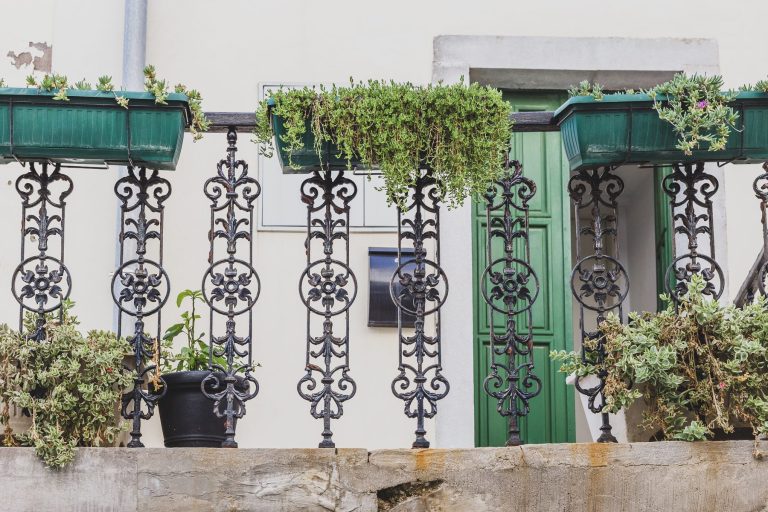
Yes. True wrought iron is low in carbon and generally welds well, and many broken wrought iron railings can be repaired in place by cleaning back rust and paint, fitting the break, and welding it. Our guide to welding wrought iron railings covers the basics.
What metals are toxic to weld?
The main concerns are coatings and alloys containing cadmium, beryllium, lead, mercury, and zinc. OSHA's welding standard requires ventilation, local exhaust, or respirators for these, depending on the metal and where the work is done. Beryllium alloys require local exhaust and airline respirators unless testing shows exposure is within limits.
Is it safe to weld on painted metal?
Not without removing the paint from the weld area first. Paint burns and gives off fume, and older paint may contain lead, which OSHA treats as a hazard requiring interim protection during welding or cutting. Stripping the coating back from the joint also gives a cleaner, stronger weld.
Can you weld cast iron?
It can be done, but it is difficult. Cast iron is brittle and high in carbon, and the National Park Service notes that field welding or brazing it with nickel-alloy rods is very difficult. For many broken castings, a mechanical repair or a replacement part is the more reliable option.
Can you weld aluminum to steel?
Not directly with a standard arc weld. TWI notes that welding aluminum straight to steel forms brittle intermetallic compounds that weaken the joint. The two are joined with bimetallic transition inserts, by bolting or riveting, or with adhesive bonding instead, depending on the load.
Can you weld a gas tank?
Only after it has been cleaned so thoroughly that no flammable material remains, which OSHA requires before any hot work on a used container. Vapors can remain in a tank that looks empty and can ignite under heat. In many cases, replacing the tank is the simpler and safer choice.
Can 7075 aluminum be welded?
Not reliably with conventional arc welding. ESAB explains that 7075 is highly prone to hot cracking as the weld cools, and a 2019 Nature Communications study notes that the aerospace industry relies on riveting and bolting for it. Parts made of 7075 are usually repaired mechanically or replaced rather than welded.
When should a metal part be replaced instead of welded?
When the metal is an alloy that will not hold a weld, when a dangerous coating or residue cannot be removed safely, or when rust has thinned the metal around the break. A part that keeps failing in the same spot is also a sign it needs replacing or redesigning, not another weld.