To prepare for a mobile welder in New Orleans, sort out four things before the appointment: a clear path to the work, a parking spot the truck can actually use, room to work safely, and everything flammable moved away from the area. Most mobile rigs bring their own power, so an outlet is rarely the issue. Site access is what usually costs time, especially on narrow lots.
A mobile welder shows up with the shop on a truck, which is the whole point. What the truck cannot bring is a path to your gate or a place to park within reach of the work.
Almost every delay we run into is a site problem rather than a welding problem. At Big Easy Mobile Welders, we work across New Orleans and the surrounding parishes, and the jobs that run long are usually the ones nobody prepped for.
So here is the short version of what to sort out before the appointment. Contact us today to talk through what your specific job will need on site.
What Does a Mobile Welder Actually Need From Your Site?
Less than you would think, and more than most people plan for. Four things cover almost every visit.
A Clear Path to the Work

The welder has to reach the thing being welded, carrying gear. That means a route wide enough for equipment, without a step, a hose reel, or a stack of plant pots in the middle of it.
Gates matter more than doors here. A narrow side gate is fine for a person and awkward for a cart with a cylinder on it. The same goes for a path that turns a tight corner or drops down a run of steps.
Walk the route yourself before the appointment. If you would not want to carry a heavy toolbox down it, neither would anyone else.
Somewhere to Put the Welding Truck
The rig needs to park close enough that leads and hoses reach the work. On a lot of New Orleans streets that means a specific spot, not a general area, and welding truck parking is the constraint people underestimate most.
Think about what is actually available on the day of the visit. A neighbor's contractor van in the only usable space turns a straightforward visit into a logistics problem.
If parking is genuinely tight, say so when you book. That is a solvable problem with notice and a much harder one once the crew is already there.
Power Requirements (Usually Not Yours)
Most mobile rigs carry their own power, so a household outlet is rarely part of the plan. This surprises people who assume they need to run an extension cord out a window.
Ask anyway when you book, because the answer depends on the job. Mobile welding power requirements shift with the process and the material involved, so some work does call for site power and it is better to know that in advance.
Our custom welding work in particular can involve setups worth confirming ahead of the visit rather than discovering on arrival.
Room to Work Safely
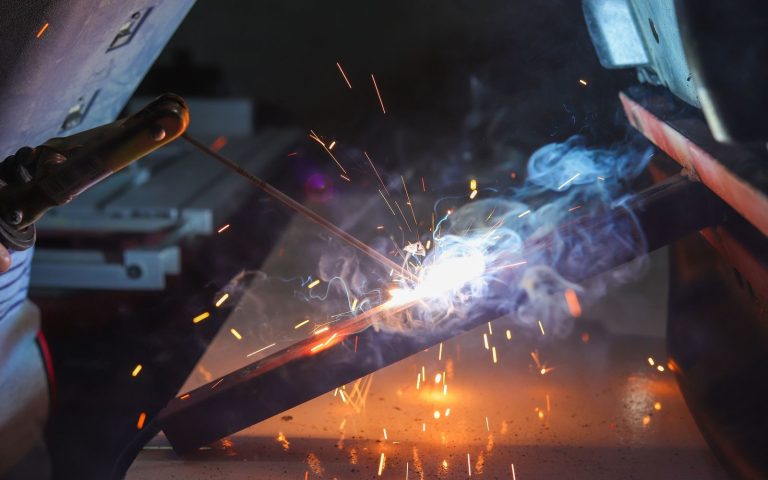
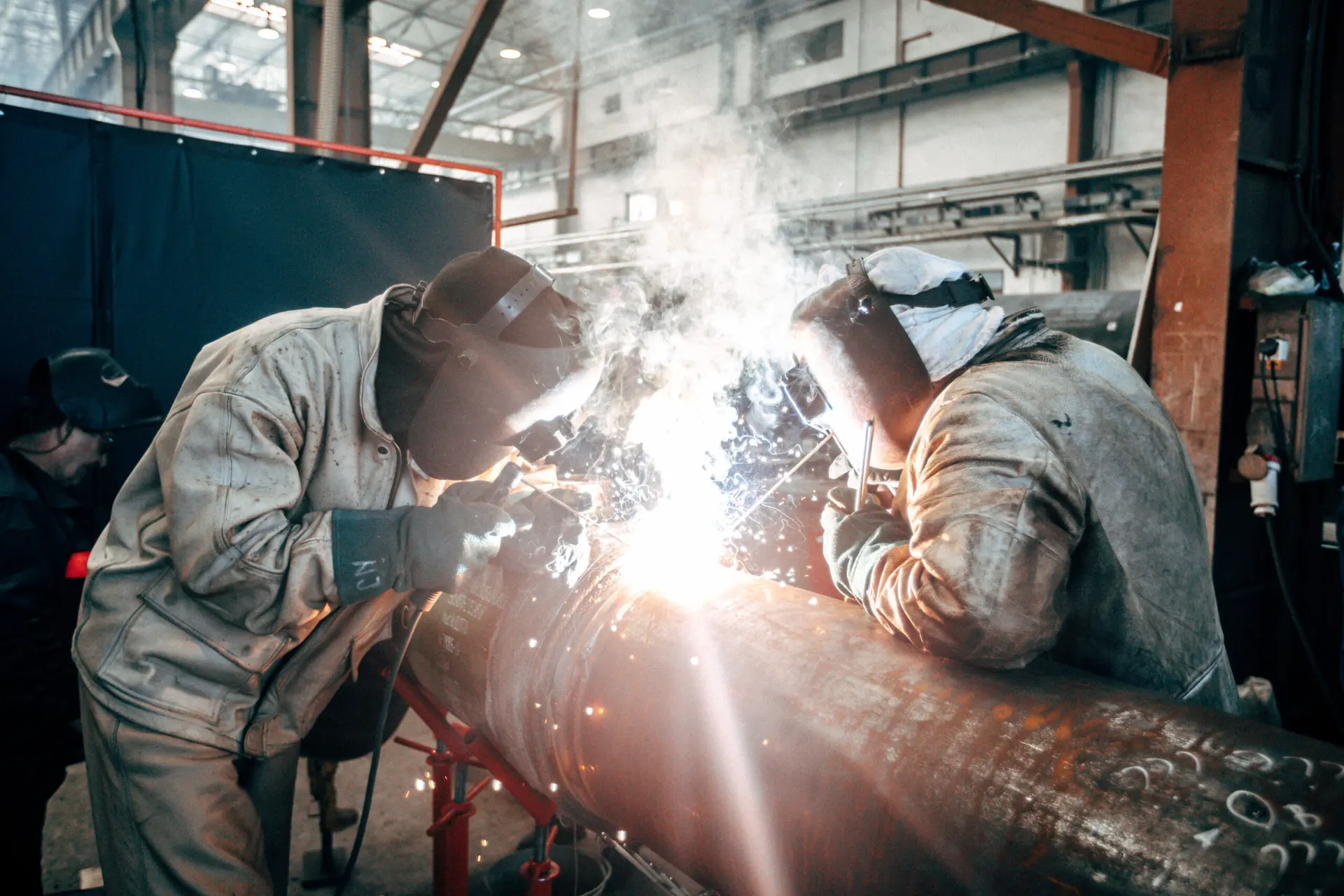
Welding throws sparks, and sparks travel farther than they look like they should. The work area needs clear space around it, not just enough room to stand.
That clearance is also about what is above and below, not only what is beside. A wooden deck under the work counts, and so does a canvas awning over it. Sparks fall, bounce, and roll once they land, so the surface underneath matters as much as the walls beside it.
More on exactly what to move in the next section, because this is where most of the prep actually lives.
Okay, So What Should You Clear Out?
The honest answer is more than you expect, and none of it takes long. Here is the priority order.
Treat 35 Feet as the Habit

Commercial hot work rules put combustibles at least 35 feet from the work where practicable, and that number is a good habit on a residential job too. It sounds like a lot until you watch where sparks actually land.
You will not always have 35 feet on a New Orleans lot, and that is fine. Move what you can and let the crew shield what cannot move.
The point is the instinct, not the tape measure. Look at the whole area rather than the few feet around the weld.
Move Anything That Melts or Catches
Anything that burns, melts, or marks easily belongs somewhere else while we work. Here are the usual suspects:
- Soft furnishings and covers. Cushions, tarps, and patio umbrellas go first.
- Cardboard and paper. Flattened boxes and recycling piles catch fast.
- Fuel and chemicals. Gas cans, propane, and pool chemicals belong well clear.
- Plastic and vinyl furniture. These soften and deform at surprisingly low temperatures.
- Vehicles. Paint and trim mark easily, and "far enough away" is farther than most people assume.
- Dry vegetation. A dry hedge or a bed of pine straw is exactly the fuel you do not want.
Bags of mulch count too, since they smolder quietly rather than flare. If something cannot move, say so and let the crew shield it instead.
Check What Is on the Other Side
This is the one that catches people off guard. A wall, a fence, or a floor with a gap in it means sparks reach a space nobody has looked at.
Storage sheds backing onto a fence, a garage on the other side of a wall, or a crawl space under a raised floor all deserve a glance. Open the door and look.
Cover any gap you find, or tell the crew about it. It is far easier to handle before the work starts than after.
The Access Thing (It Matters More Than You Think)
Mobile welding site access is the single biggest variable on a New Orleans job. Everything else on this list is quick, and access is what forces a reschedule.
New Orleans makes this its own category. Narrow side yards, shared driveways, low overhangs, raised houses with limited underfloor clearance, and streets where parking is a negotiation all show up regularly, and each one changes how a crew stages the work.
The fix is a phone call, not a solution on arrival. Describe the approach when you book, mention anything unusual, and the equipment we bring on the truck gets matched to what will actually fit through the gap.
What About Gates, Pets, and Neighbors?
Real talk: these three cause more rescheduled visits than any technical issue. All three are avoidable with one text message the day before.
Gates and locks need to be open, or the code needs to be shared. A locked side gate with nobody home is the most common wasted trip in this line of work.
Pets should be inside and secured, both for their sake and because a curious dog near a welding lead is a problem for everyone. Neighbors are worth a heads-up too if the truck will block part of a shared drive or the work runs along a property line, since a quick conversation beforehand prevents an awkward one during the job.
The Bottom Line on Preparing for a Mobile Welder in New Orleans
Mobile welding works because the shop comes to you, and it works best when the site is ready for it. Clear the path, free up parking, move what burns, and check the other side of any wall or fence near the work.
At Big Easy Mobile Welders, we go through the access and clearance questions when you book rather than discover them on arrival. Call us today to book a visit and run through what your site needs.
Frequently Asked Questions
What does a mobile welder bring with them?
A mobile welding rig carries the welding equipment, leads, gas, consumables, and safety gear needed for the job, which is what makes on-site work possible. What it cannot bring is site access or clearance. Confirm the specific scope when booking, since specialty work may need equipment matched to the job.
Do you need to provide power for mobile welding?
Usually not. Most mobile rigs carry their own power source, so a household outlet or an extension cord is rarely part of the plan. Some jobs do call for site power depending on the equipment involved, so it is worth asking when you book rather than assuming either way.
How much space does a mobile welder need?
Enough to park within reach of the work with leads and hoses, plus clear space around the work area itself for sparks and movement. The parking spot is usually the real constraint on a tight New Orleans lot, so identify a realistic one in advance rather than on the day of the visit.
Do you need to be home for a mobile welding visit?
Not always, but someone needs to provide access. A locked gate with nobody available is the most common reason a scheduled visit gets wasted. If you cannot be there, arrange the gate code, a key, or a neighbor in advance and confirm it when you book.
What should you move before a welder arrives?
Anything that burns, melts, or marks easily: cushions, tarps, cardboard, fuel containers, plastic furniture, vehicles, and dry vegetation. Also check what sits on the other side of any nearby wall, fence, or floor gap, since sparks reach spaces you are not looking at.
Does rain cancel a mobile welding job?
Not automatically. Weather can affect outdoor welding, since moisture and wind both influence the work and the setup, and whether a specific visit goes ahead depends on the job, the location, and whether the area can be sheltered. Confirm with the crew rather than assuming a cancellation either way.
Can a welding truck get into a backyard?
Usually not, and it rarely needs to. The truck stays at the street or driveway and the equipment comes to the work, which is why the path matters more than the parking. Where a gate, overhang, or side yard is genuinely tight, describe it when booking so the approach can be planned instead of improvised.
What happens if the job turns out bigger than expected?
The crew should stop, show you what they found, and rescope before continuing rather than pressing on. Opening something up sometimes reveals more damage than a photo showed, which is normal on repair work. Agreeing that approach at booking keeps the conversation simple if it happens.