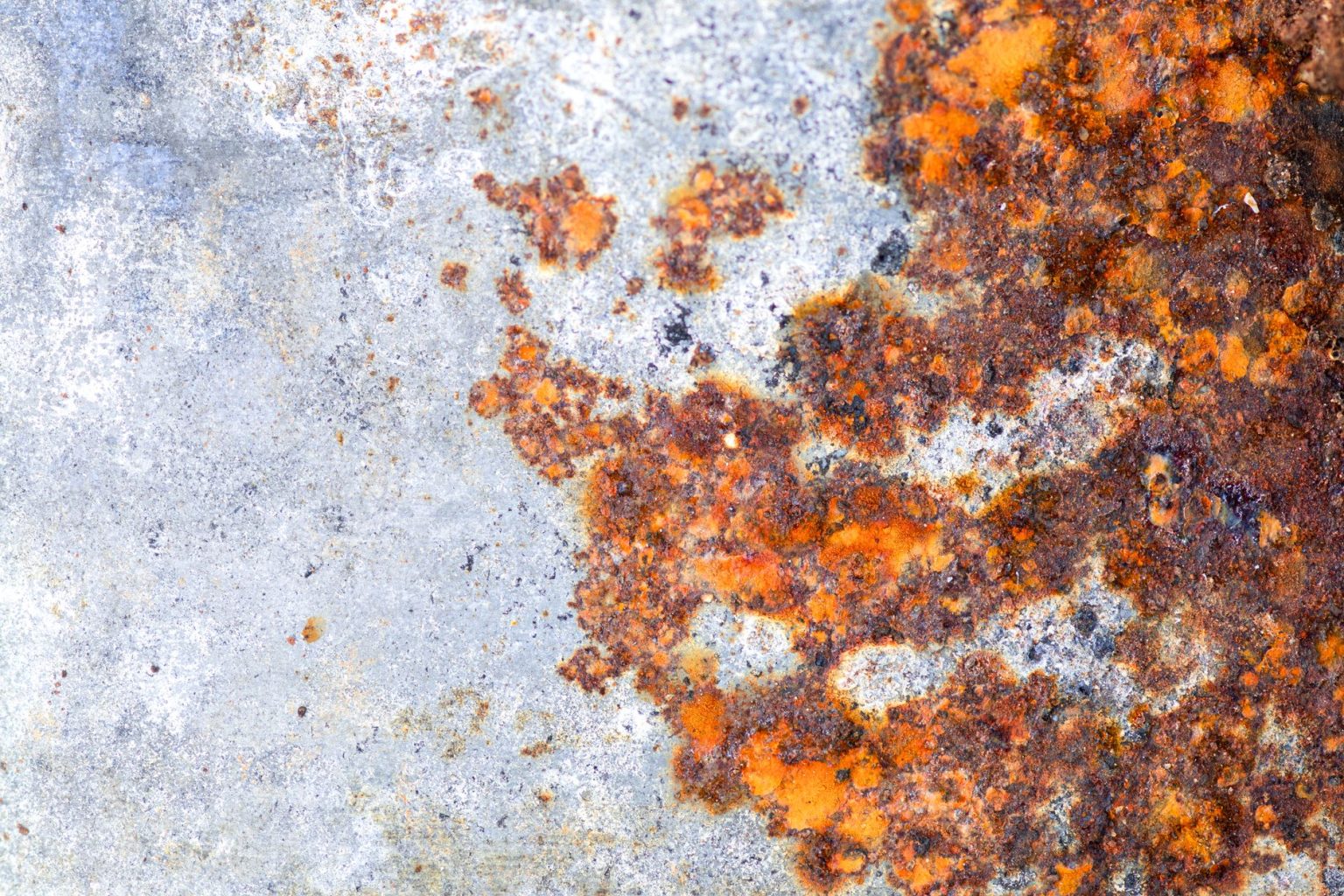
New Orleans' humidity and salt air push unprotected welded steel toward rust and corrosion faster than most other climates in the country. Hot-dip galvanizing, zinc-rich primers, and powder coat topcoats each slow that process differently, and monthly visual checks catch early rust bleeding and pitting before they reach a weld's structural core. An annual cleaning and recoat schedule keeps fences, gates, railings, and pipe fittings sound for years longer.
At Big Easy Mobile Welders, we see the same pattern on almost every service call involving outdoor ironwork. A fence, gate, or railing that looked fine a year ago suddenly shows orange streaks at every weld seam.
That pattern isn't bad luck. It's what happens when welded steel meets New Orleans' humidity and salt air without the right coating standing between them.
This guide walks through why that happens, which coatings actually hold up here, and how often you need to check your ironwork before small rust spots become expensive repairs. Contact us today to get a coating and maintenance plan built around your specific fence, gate, or railing.
Why Does New Orleans' Climate Make Rust Worse for Welded Metal?
Iron and steel start corroding once surrounding air crosses a critical humidity threshold, and New Orleans sits above that line most of the year. Average relative humidity here runs in the mid-to-high 70% range, keeping a thin moisture film on bare metal most of the year.
Salt behaves differently than plain moisture because it pulls water from the air and holds it against a metal surface at lower humidity than clean steel needs. The Gulf of Mexico and the brackish shore of Lake Pontchartrain put New Orleans squarely inside that salt-air zone.
Unprotected welded steel here rusts faster than in a drier, inland market, feeding on the same moisture and salt that started the reaction. That's why coating choice and maintenance timing matter more here than almost anywhere else.
How Does Corrosion Actually Damage a Weld?
A weld is often the exact spot where corrosion does the most damage, not just where it looks worst. Here's what that damage looks like as it progresses from cosmetic to structural.
Rust Bleeding at the Seam
Rust bleeding shows up as reddish streaks running down from a weld line, and it almost always means moisture found a gap the weld didn't fully seal. Once water reaches bare steel under a coating, it keeps working after the surface looks clean.
That's different from surface dust, since it originates inside the joint, not on top of it. A bleeding weld needs prompt inspection, since the moisture has already passed the coating.
Pitting on the Surface
Pitting appears as small holes or cavities scattered across a metal surface, signaling that corrosion has moved past a light surface film into the steel itself. Pits tend to cluster where coating has worn thin or chipped away.
Left alone, pitting deepens and spreads, thinning the metal exactly where a fence, gate, or railing needs the most strength. Catching pitting early, while still shallow, keeps a repair simple instead of structural.
Movement or Separation at the Joint
Any visible flexing, shifting, or gap at a welded joint is a serious warning sign, since it usually means corrosion has thinned the connection enough to affect strength. Welds are frequently the load-bearing point in a fence, gate, or railing assembly.
Daylight between pieces that used to sit flush, or a gate sagging at its hinge weld, signals corrosion working from the inside, not simple wear. That's the point where a repair call matters more than a maintenance call.
What Coatings Protect Welded Metal From Rust?
Different coatings hold up differently once New Orleans' humidity and salt air get involved, and picking the right one (or combination) makes the biggest difference in how long ironwork lasts. We build this into our mobile welding services for outdoor fence, gate, and railing work.
At a glance, here's how the three main options stack up before we cover each below:
- Hot-dip galvanizing: zinc metallurgically bonded to the steel, decades of protection inland, 5-7 years in direct coastal wind
- Zinc-rich primer: zinc particles suspended in a resin coat, strong for touch-ups and repairs, shorter lifespan than galvanizing
- Powder coating: cosmetic and UV-resistant topcoat, 3-7 years alone, longer when layered over galvanizing
Hot-Dip Galvanizing
Hot-dip galvanizing bonds a zinc layer directly to steel through a metallurgical reaction, creating a sacrificial barrier that corrodes before the base metal does. In normal inland conditions, that protection can last decades.
Near open saltwater, the timeline shortens. Structures within roughly a mile of the coast, directly exposed to salty wind, have shown surface rust in as little as five to seven years.
Zinc-Rich Primer
Zinc-rich primer is a paint coating loaded with zinc particles suspended in a resin base rather than bonded to the steel. It offers real corrosion resistance and works well for touch-ups and repairs.
Because the particles sit in resin rather than fusing to steel, zinc-rich primer generally protects a shorter span than galvanizing in the same environment. It's a strong option where full galvanizing isn't practical.
Powder Coating as a Topcoat
Powder coating alone is mainly a cosmetic, light-barrier finish, typically holding its appearance three to seven years before it needs attention. Once it chips or scratches, bare steel underneath can start rusting almost immediately.
Applied over hot-dip galvanizing instead of alone, powder coating adds UV resistance, color, and scratch protection on top of the zinc barrier already doing the heavy lifting. That combination is standard practice for ornamental ironwork in humid, coastal markets like ours.
How Often Should Welded Ironwork Be Inspected and Maintained?
Coatings only work as long as someone checks them, and the inspection schedule that works in a dry, inland climate isn't enough here. New Orleans' humidity and salt exposure call for a tighter routine.
Monthly Visual Checks
A quick monthly walk around a fence, gate, or railing catches rust at its cheapest-to-fix stage, especially after heavy rain or high humidity. Check weld seams first, since that's where bleeding and pitting start.
This doesn't need to be formal. A few minutes scanning for new streaks or chipped coating flags a problem early.
Annual Cleaning and Touch-Up
Beyond the monthly glance, a full annual inspection in spring or fall should clean off dirt and salt residue, then touch up worn coating before small spots turn into bigger repairs. Property owners who stick to this schedule show up in our customer testimonials, still showing rust-free ironwork years later.
Skipping this step is usually how a small coating gap turns into a full recoat job years ahead of schedule.
Repaint or Recoat Interval
Most climates need a full repaint or recoat every three to five years. In our harsher coastal environment, that interval can shrink to two to three years on ironwork facing open water or prevailing Gulf winds.
Tracking this interval on a calendar, rather than waiting for visible rust to force the issue, keeps the coating ahead of the corrosion instead of chasing it.
Where New Orleans Property Owners Should Start
Rust and corrosion are not a mystery in New Orleans; they are a predictable outcome of humidity, salt air, and coatings that were never matched to this environment. At Big Easy Mobile Welders, we've repaired enough corroded fences, gates, and railings to know a fix is almost always cheaper when caught early.
Coating new welded work or repairing a joint already showing rust bleeding start the same way: a look at what's happening at your property. Call us today to get that assessment scheduled before a small rust spot turns into a full replacement.
Frequently Asked Questions
What causes rust on welded metal in New Orleans?
Rust forms when iron in steel reacts with oxygen and moisture, and New Orleans' humidity levels sit in the 70s most of the year, which keeps bare steel wet enough for that reaction to run continuously. Add salt air off the Gulf and Lake Pontchartrain, and unprotected welds corrode faster than in most other US markets.
How long does hot-dip galvanizing last in a coastal climate?
Hot-dip galvanizing typically protects steel for decades in normal inland conditions, but structures within about a mile of open saltwater can show surface rust in as little as five to seven years under direct salty wind exposure. Pairing galvanizing with a powder coat topcoat extends that service life further.
Can powder coating alone stop rust on ironwork?
Powder coating alone is a cosmetic barrier that typically holds up for three to seven years before it needs attention, and once it chips or scratches, bare steel underneath starts rusting almost immediately. For welded ironwork in a humid climate, powder coating works best as a topcoat over hot-dip galvanizing, not as a standalone rust barrier.
How often should I inspect my metal fence for rust in Louisiana?
Monthly visual checks catch rust at its earliest, cheapest-to-fix stage, especially after heavy rain or stretches of high humidity. A more thorough annual inspection, ideally in spring or fall, should include cleaning and touch-up of any worn coating before small spots turn into structural problems.
What does rust bleeding at a weld joint mean?
Rust bleeding is the reddish streaking that runs down from a weld seam when moisture has worked its way into an incomplete seal or gap in the weld. It's a sign the joint was not fully sealed during welding and needs inspection before corrosion spreads under the surrounding coating.
Is surface rust on welded metal dangerous?
Light surface rust on a coating is mostly cosmetic and can usually be cleaned and recoated without much trouble. Rust that has reached bare metal at a weld joint is more serious, because corrosion weakens the load-bearing connection first and can progress toward structural failure if it's left unaddressed.
Can a rusted weld be repaired instead of replaced?
Many corroded welds can be repaired, cleaned back to sound metal, and rewelded with a fresh protective coating applied afterward, especially when the surrounding structure is still sound. Once pitting has significantly thinned the metal or a joint has visibly shifted, replacement is usually the safer, more permanent option.
What is the best coating for outdoor ironwork near the coast?
For fences, gates, and railings near the Gulf or Lake Pontchartrain, hot-dip galvanizing as a base layer with a powder coat topcoat is the combination most contractors recommend, since it pairs a sacrificial zinc barrier with a UV and scratch-resistant finish. Marine-grade hardware adds further protection in the most exposed spots.